Filipa Santos Antunes (b. 2003) began through the piano — twelve years of classical training and a professional degree — before moving toward experimental sound, audiovisual installation, ceramics, and product design. She holds a Bachelor of Arts in Sound and Image from the School of Arts of the Catholic University of Portugal (UCP‑EA), specializing in Multimedia Arts.
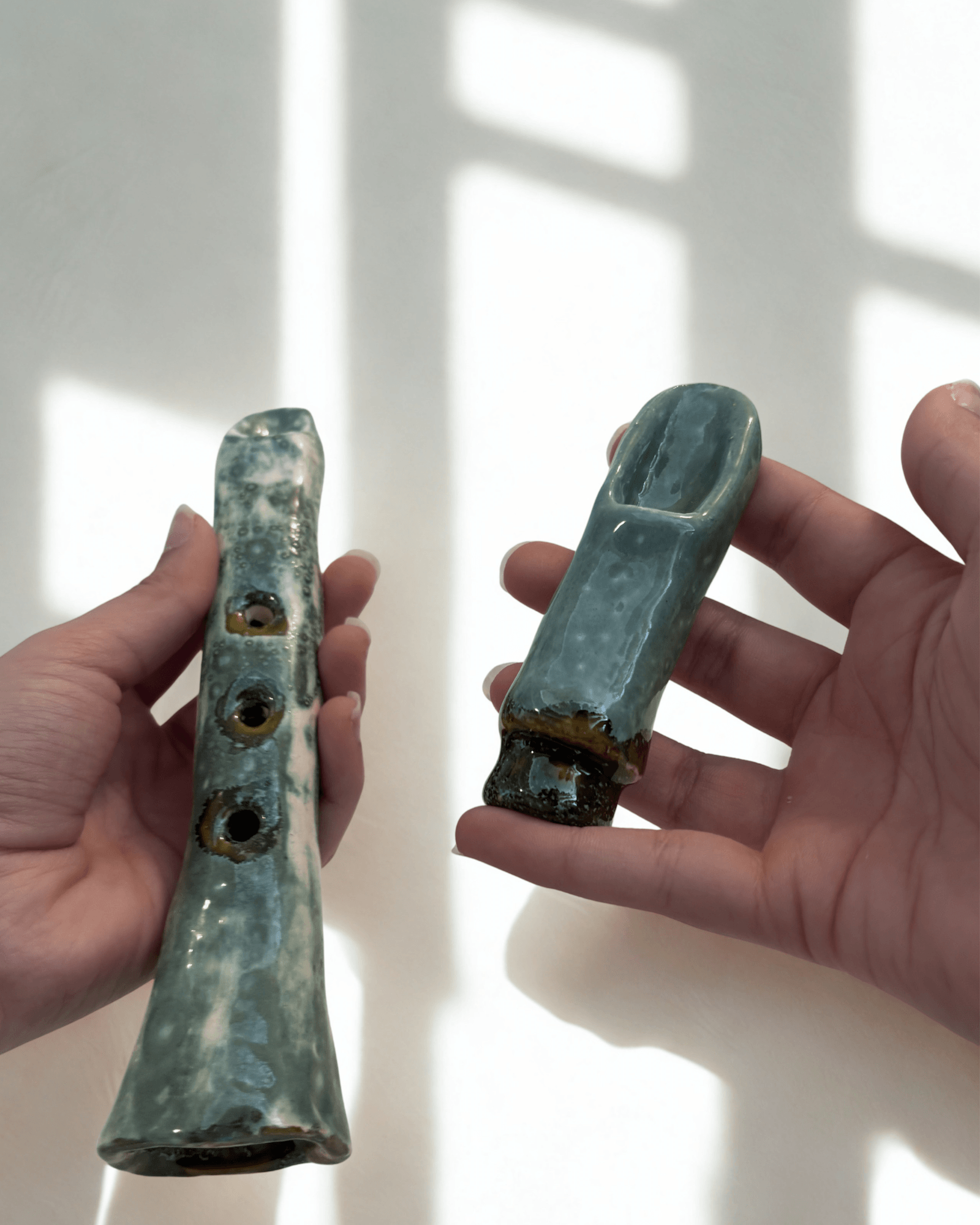
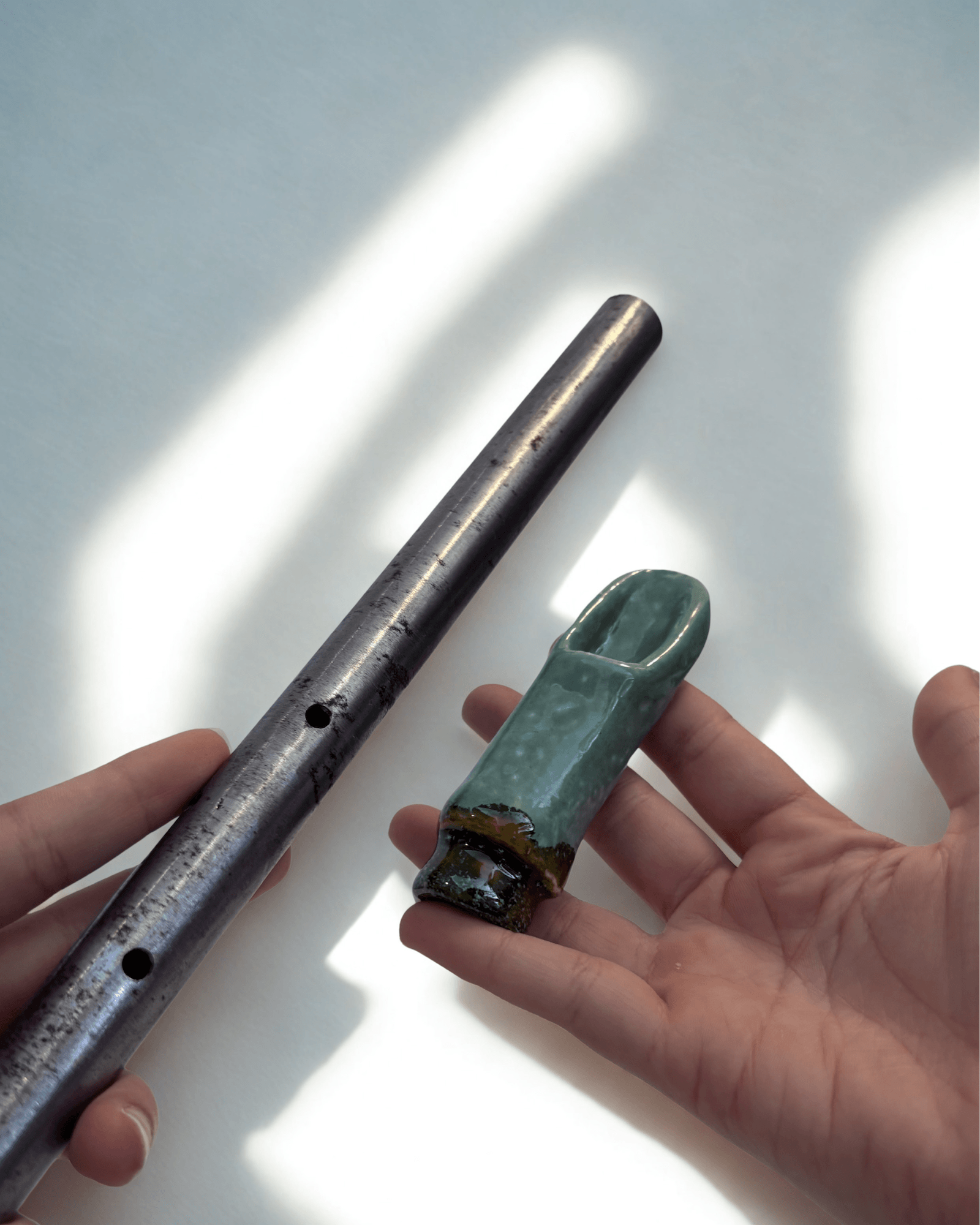
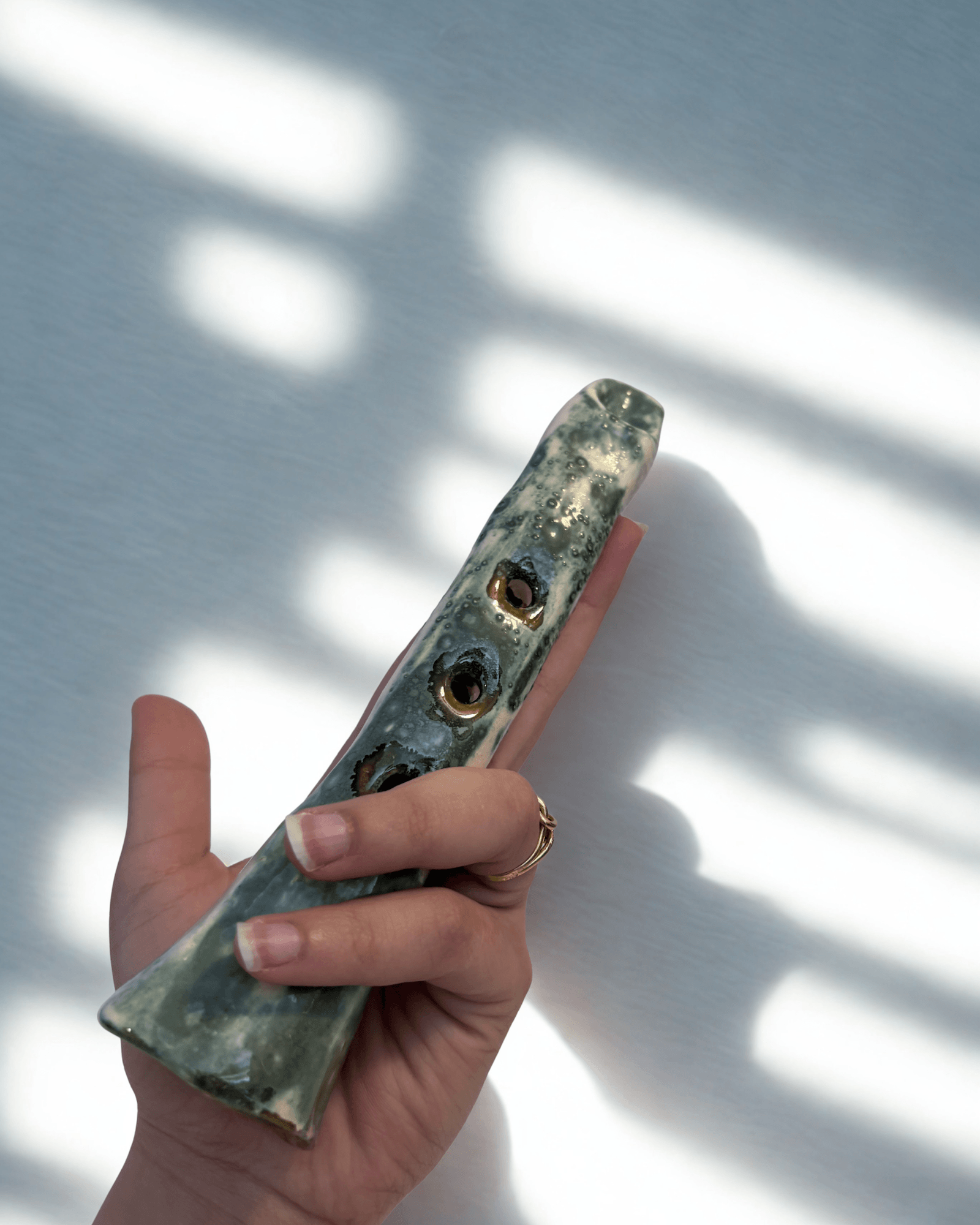
In 2024 she began Beyond the Unseen, an immersive piece merging handcrafted ceramic and metal objects with atonal sound composition, exploring identity, memory, and Indigenous cosmologies.
In 2026, Beyond the Unseen is included in Mental Load and Invisible Work, a group exhibition curated by the University of Applied Arts Vienna, presented at Trinkhalle, Bad Ischl (May), ECC Palazzo Mora at the Venice Biennale (May–November), and Angewandte Festival 2026, Vienna (July). Earlier in 2026, Strolling Beats — a collaborative piece developed with Tommaso Ricani, Jad Fayad and Marta Manolova during a workshop led by Ruth Mateus-Berr at NABA — was included in La Pianta. La Memoria e Noi. at Forum Austriaco di Cultura, Roma.
She is currently completing a Master in Product and Service Design at NABA, Milan, extending her practice into material exploration and spatial approach.
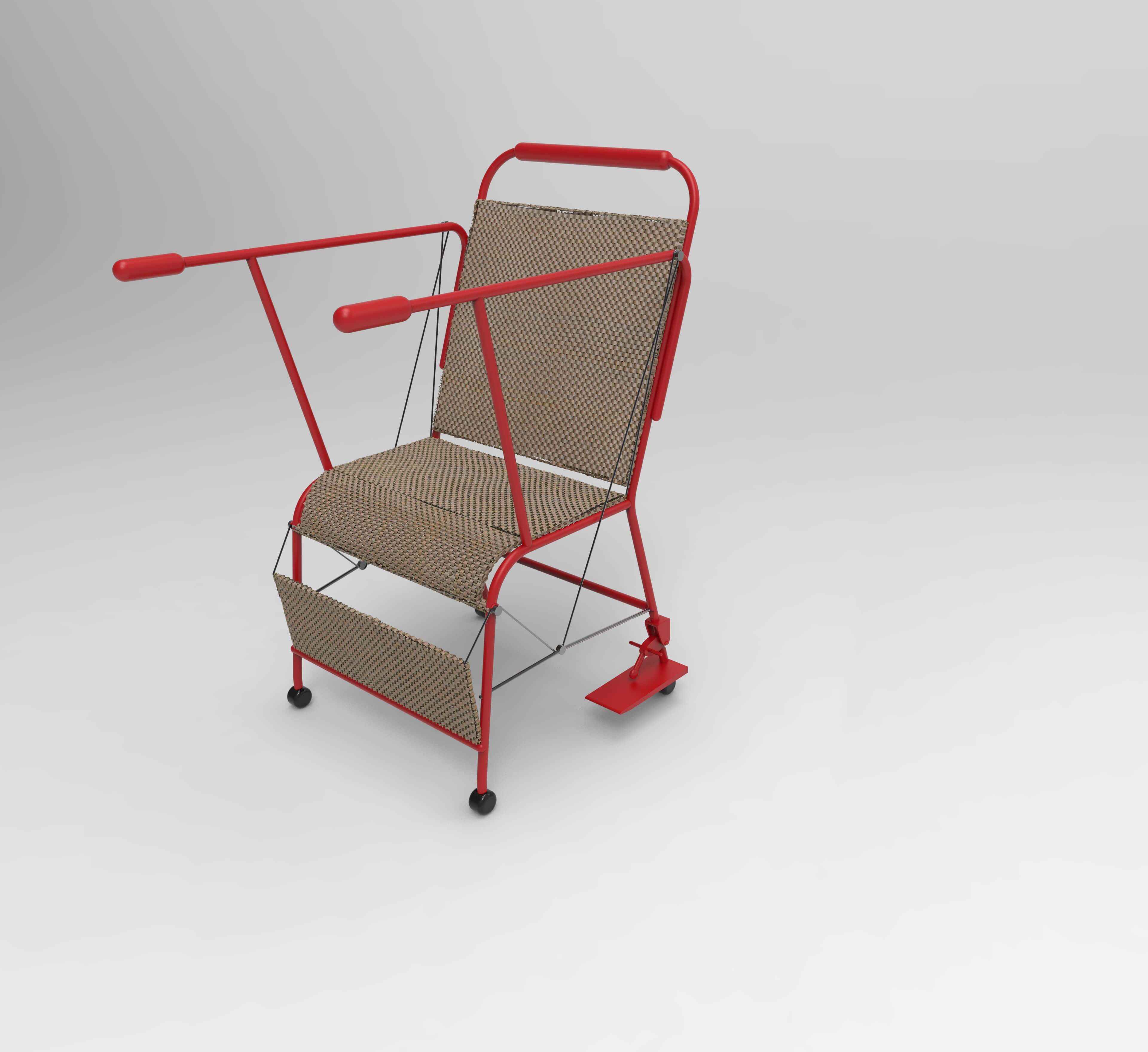
Antunes Filipa (2026). Contribution in: La Pianta. La Memoria e Noi. Tattiche di negoziazione per la pace nel mondo (Exhibition Catalogue, pp. 67–76).
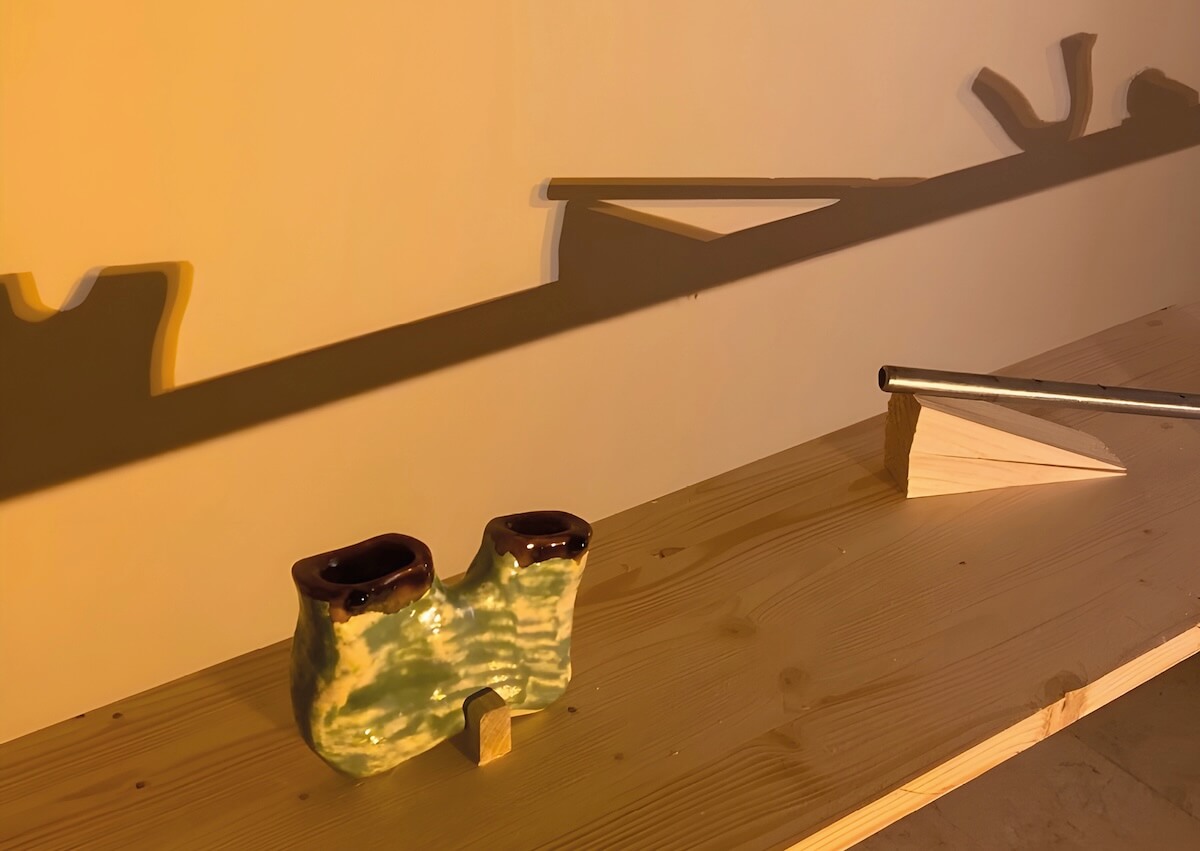
Developed under the working theme Não foi Cabral, the project pushes back against the framing of Pedro Álvares Cabral's 1500 arrival as Brazil's "discovery", and against the Eurocentric historical narrative built around it. It draws on Indigenous resistance, music, and ritual as a starting point — a meditation on what artistic mediums can do when they are treated as refuges, allowing connection with displaced perspectives.

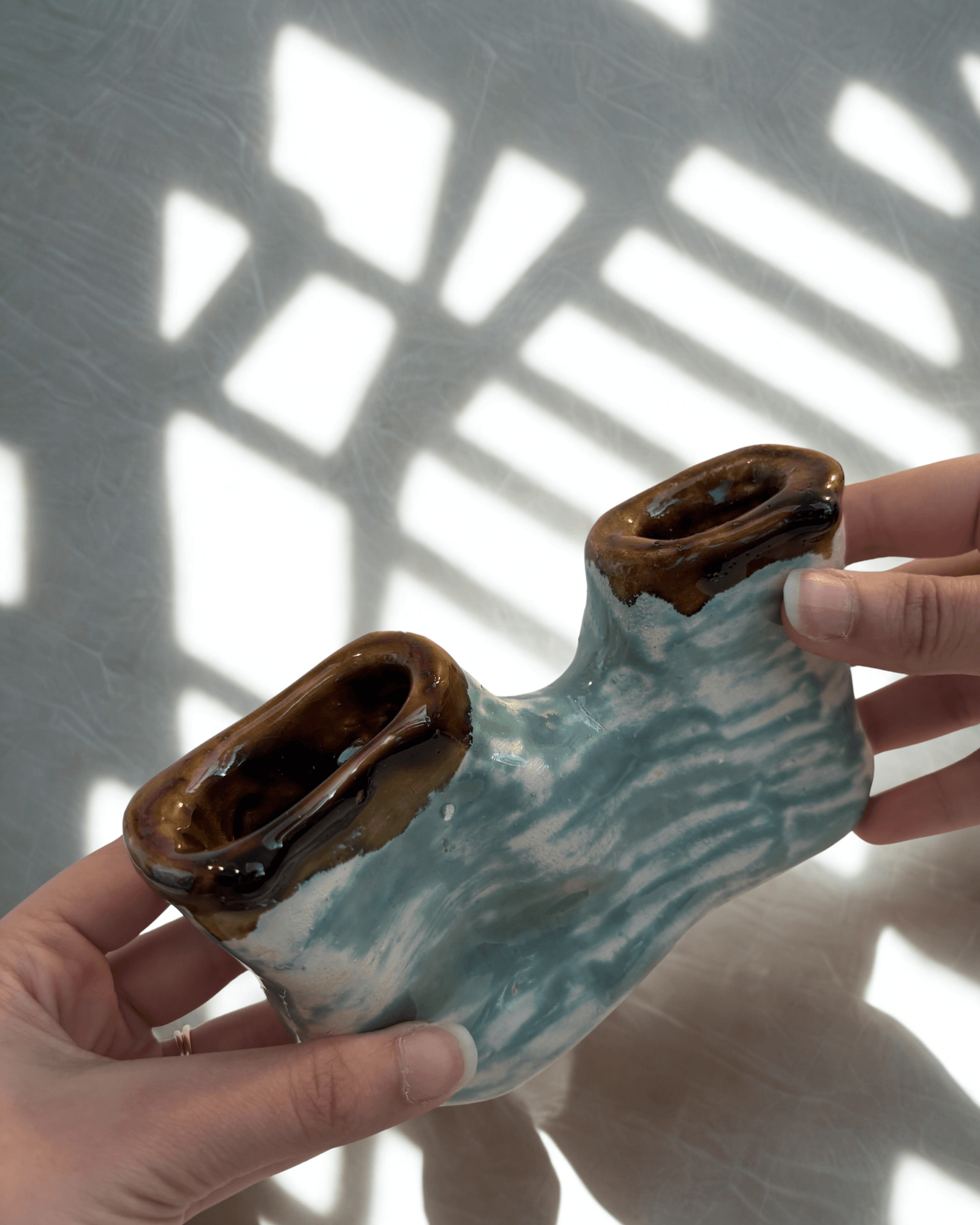
The objects are built from contrasting materials: ceramic (soft, resonant) and iron (metallic, deep) — a fusion familiar to Indigenous ritual sound. Early prototypes paired iron bodies with saxophone and kazoo mouthpieces, mixing melodic, percussive, and buzzing timbres. The sound itself moves away from traditional tonality: atonal composition, looped, displacing harmonic expectation.
The full research, process documentation, and exhibition records live at beyondtheunseen.art.


Strolling Beats is a collaborative piece developed with Tommaso Ricani, Jad Fayad and Marta Manolova during a workshop led by Ruth Mateus-Berr at NABA, Milan.
It was subsequently included — in digital format — in La Pianta. La Memoria e Noi. Tattiche di negoziazione per la pace nel mondo at Forum Austriaco di Cultura, Roma (24.03 — 17.04.2026), with associated catalogue.


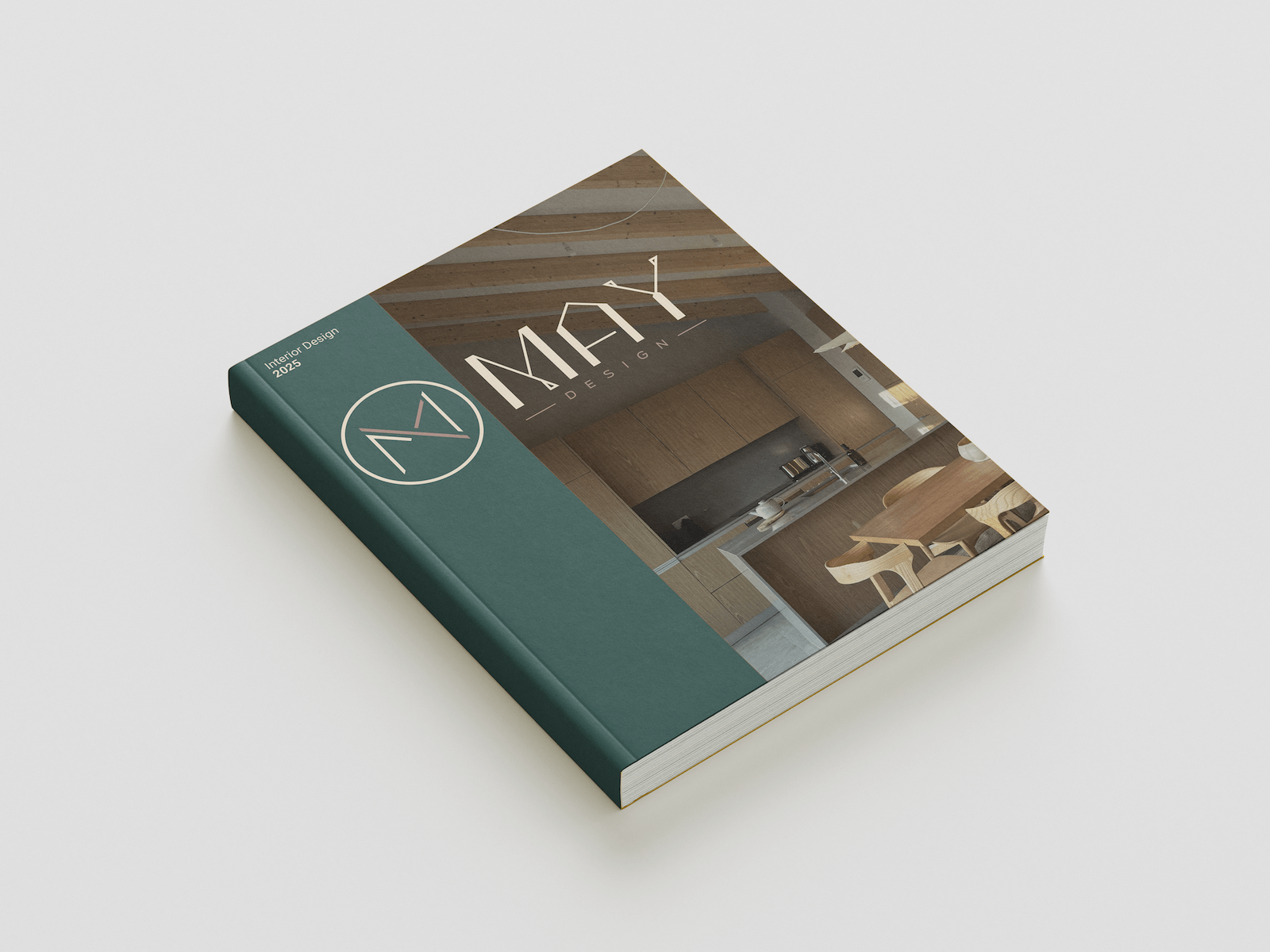
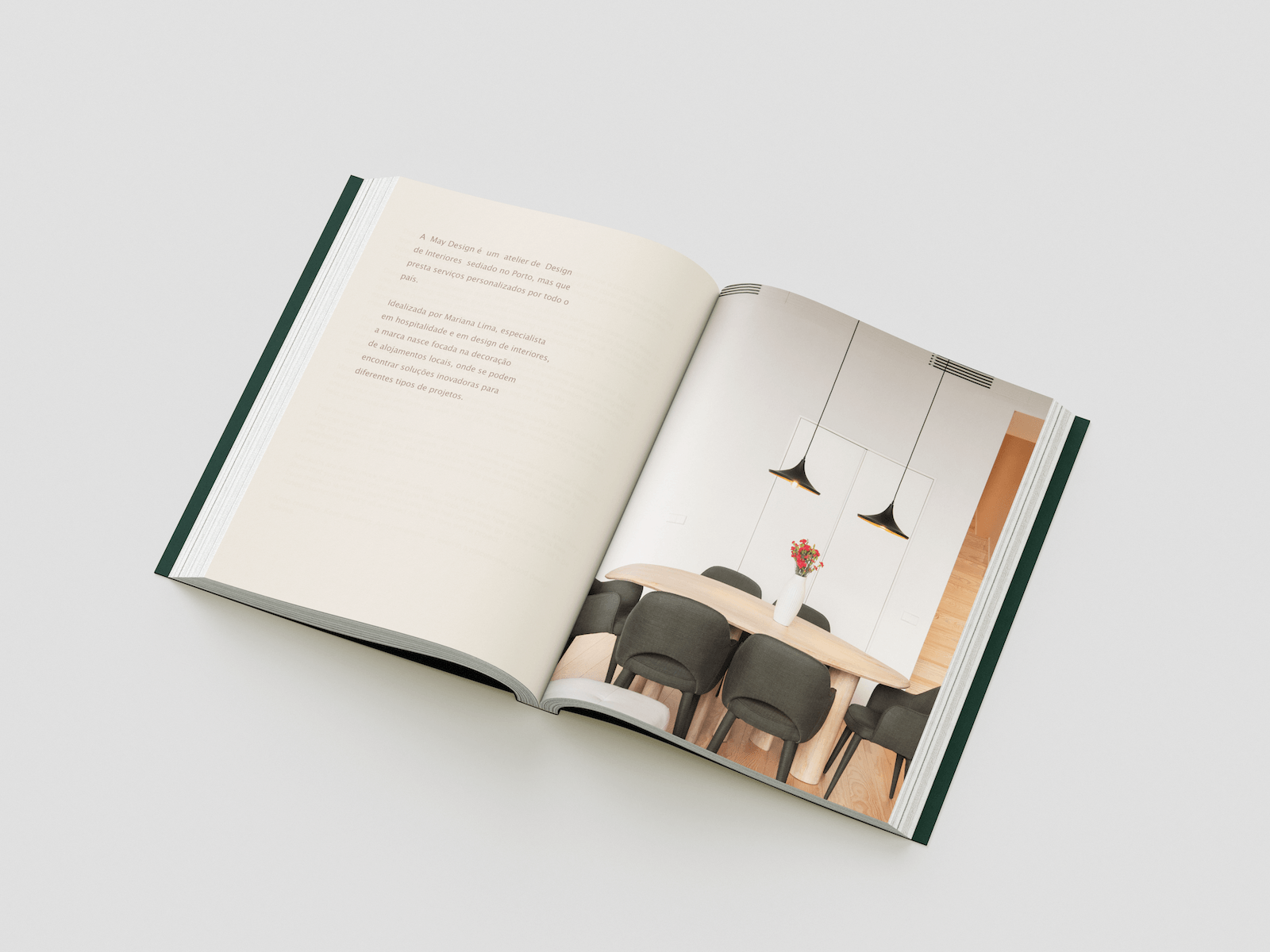
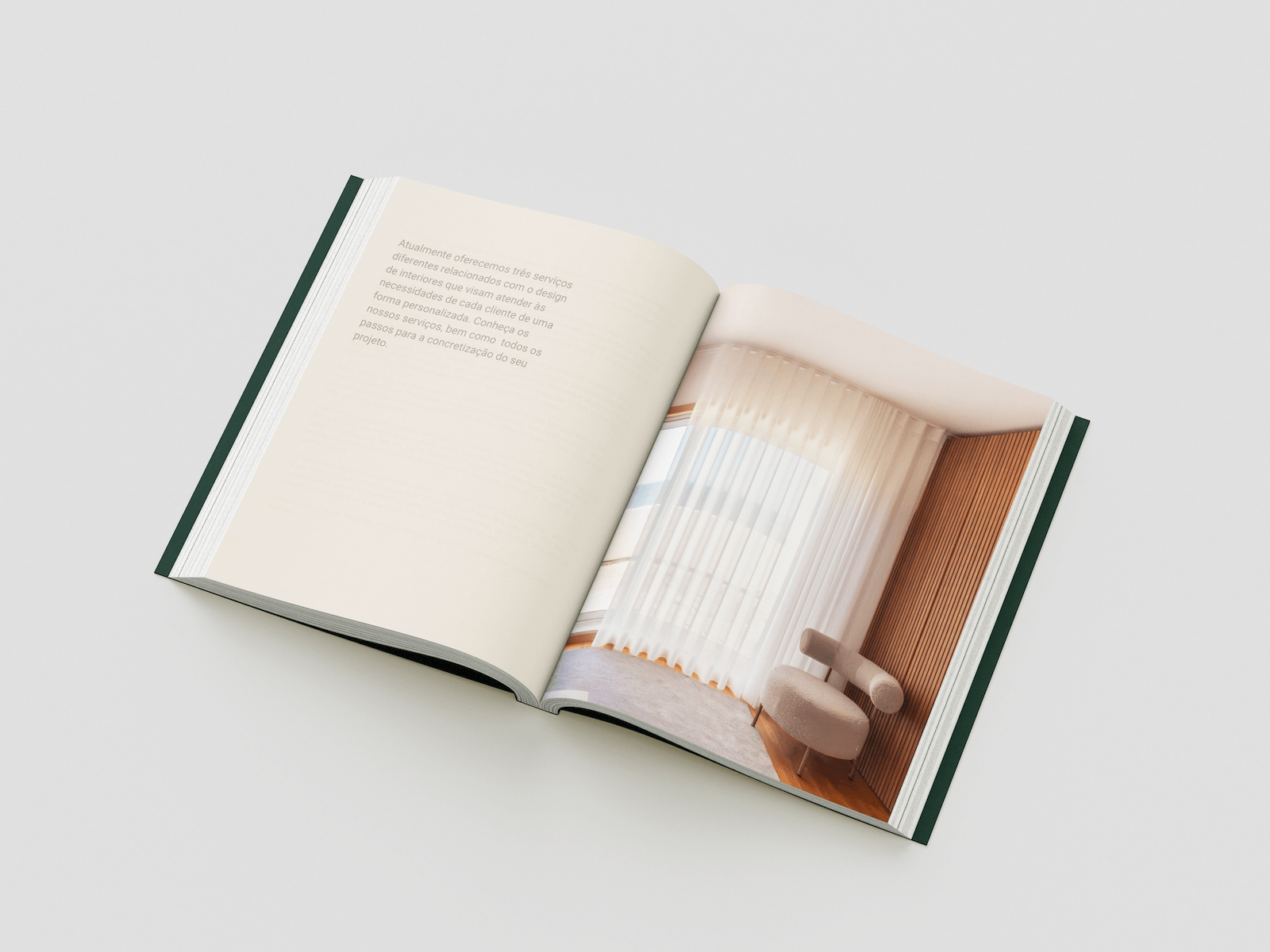
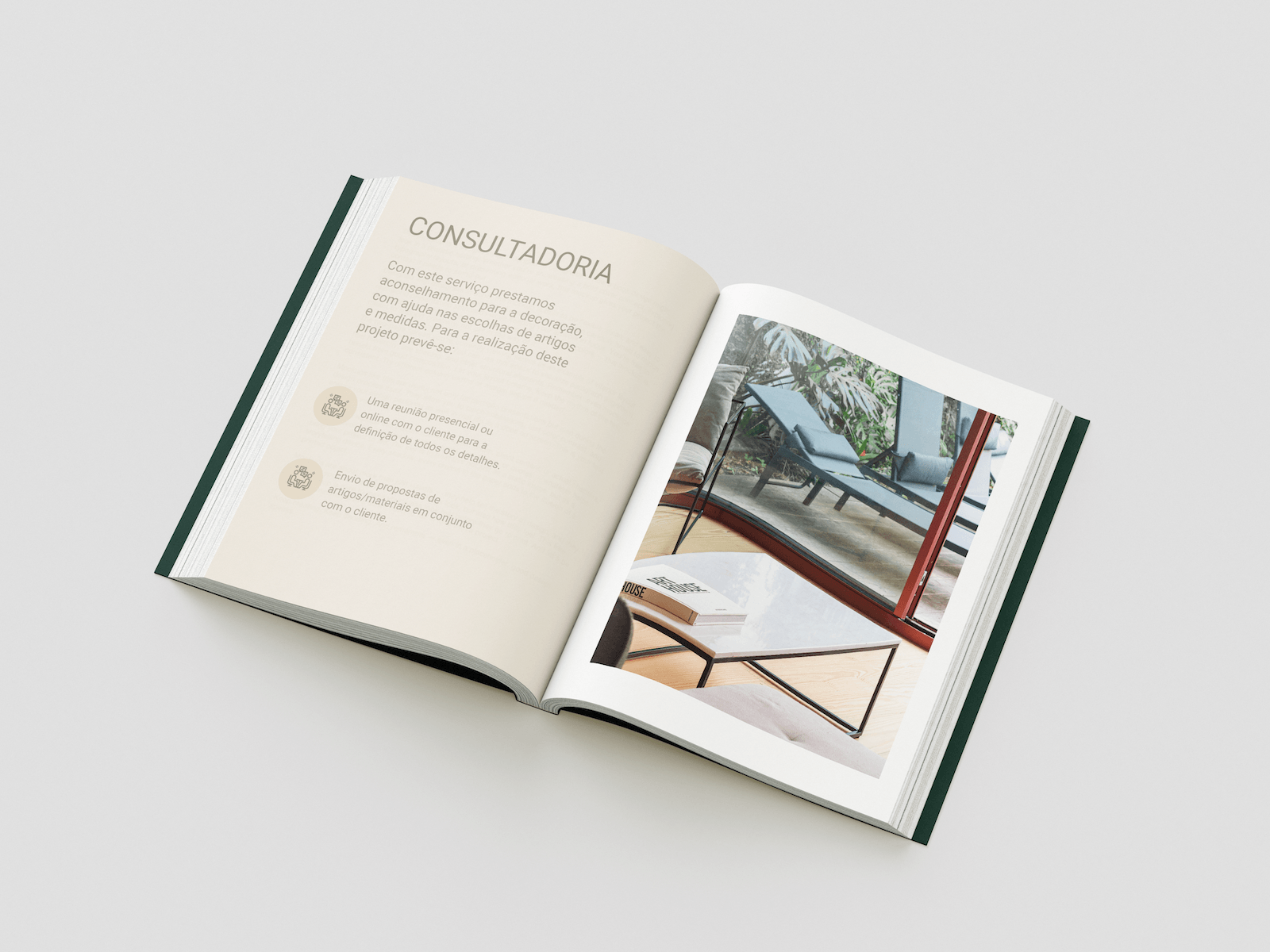
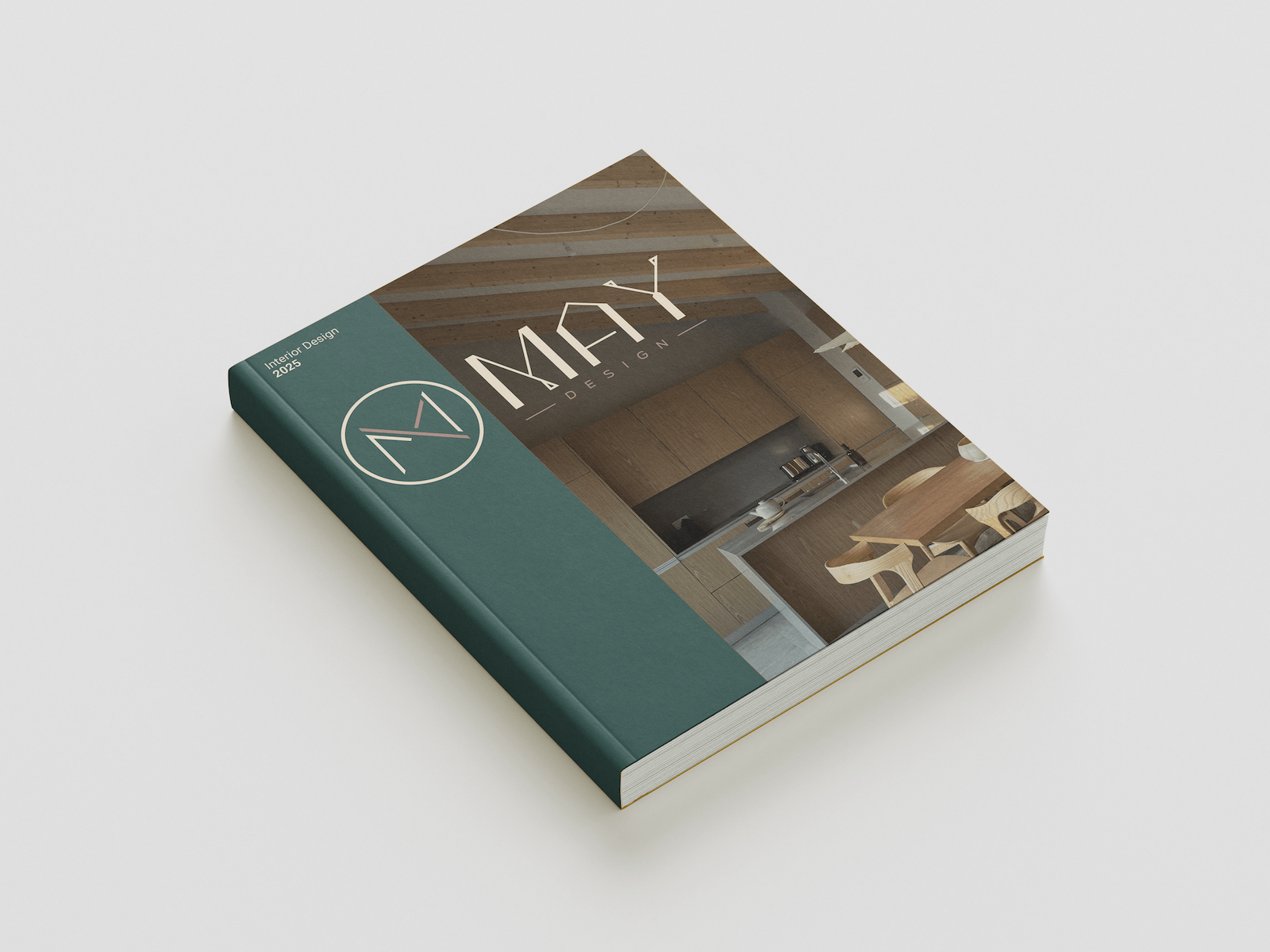
The work covered both ends of the studio. On the visual side: refining the brand's email signature and portfolio, and designing an interior decoration book.
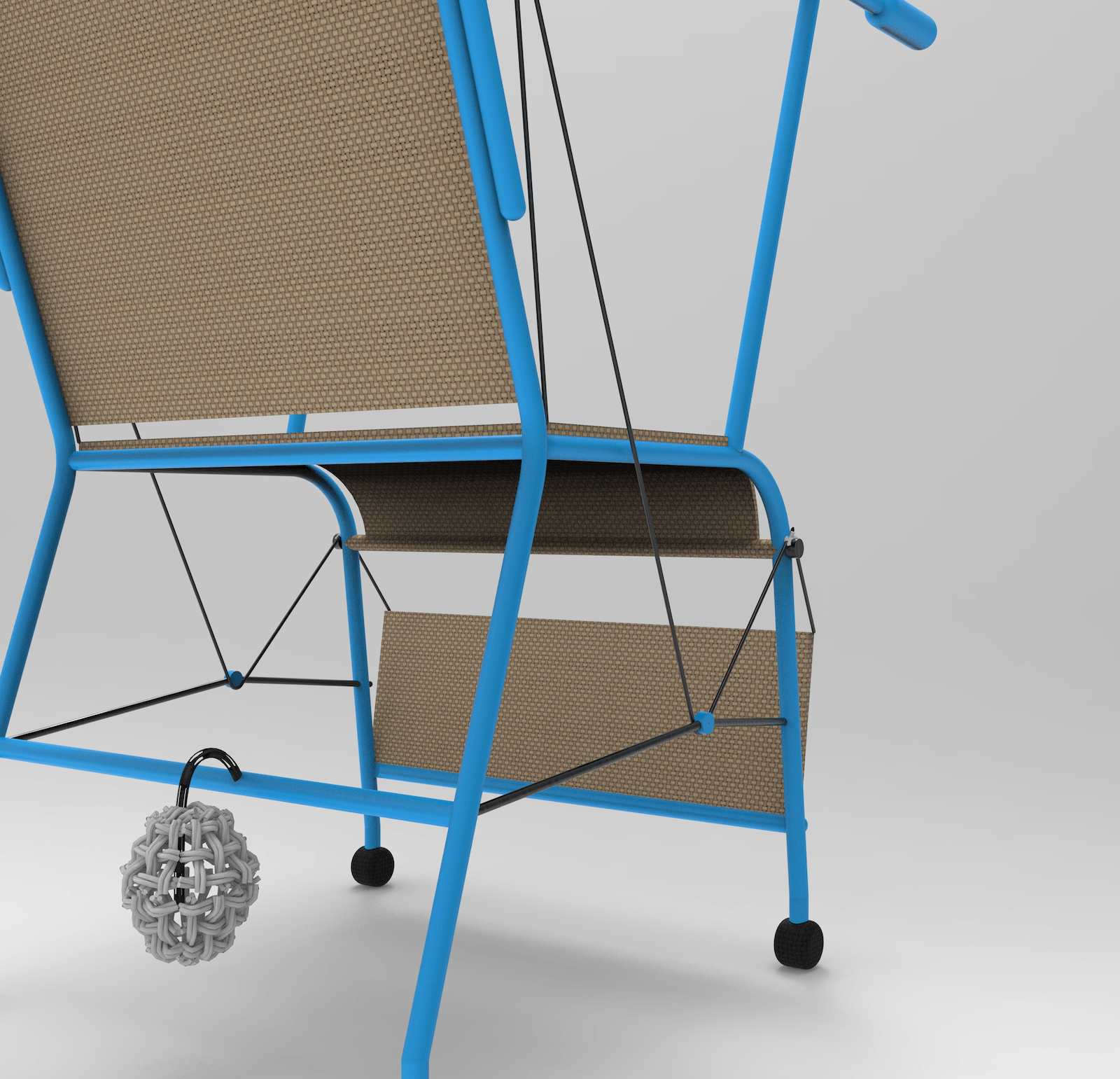
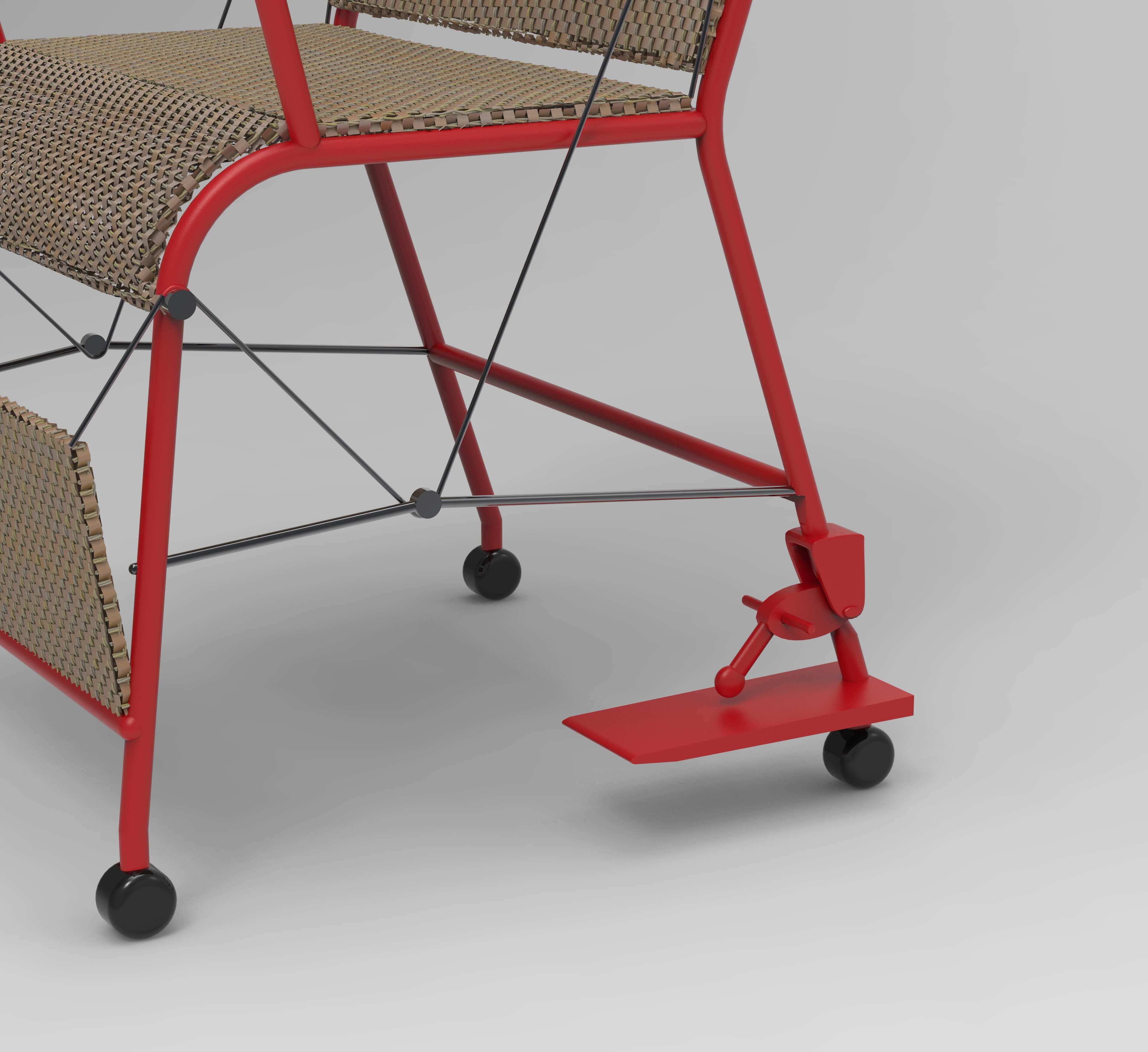
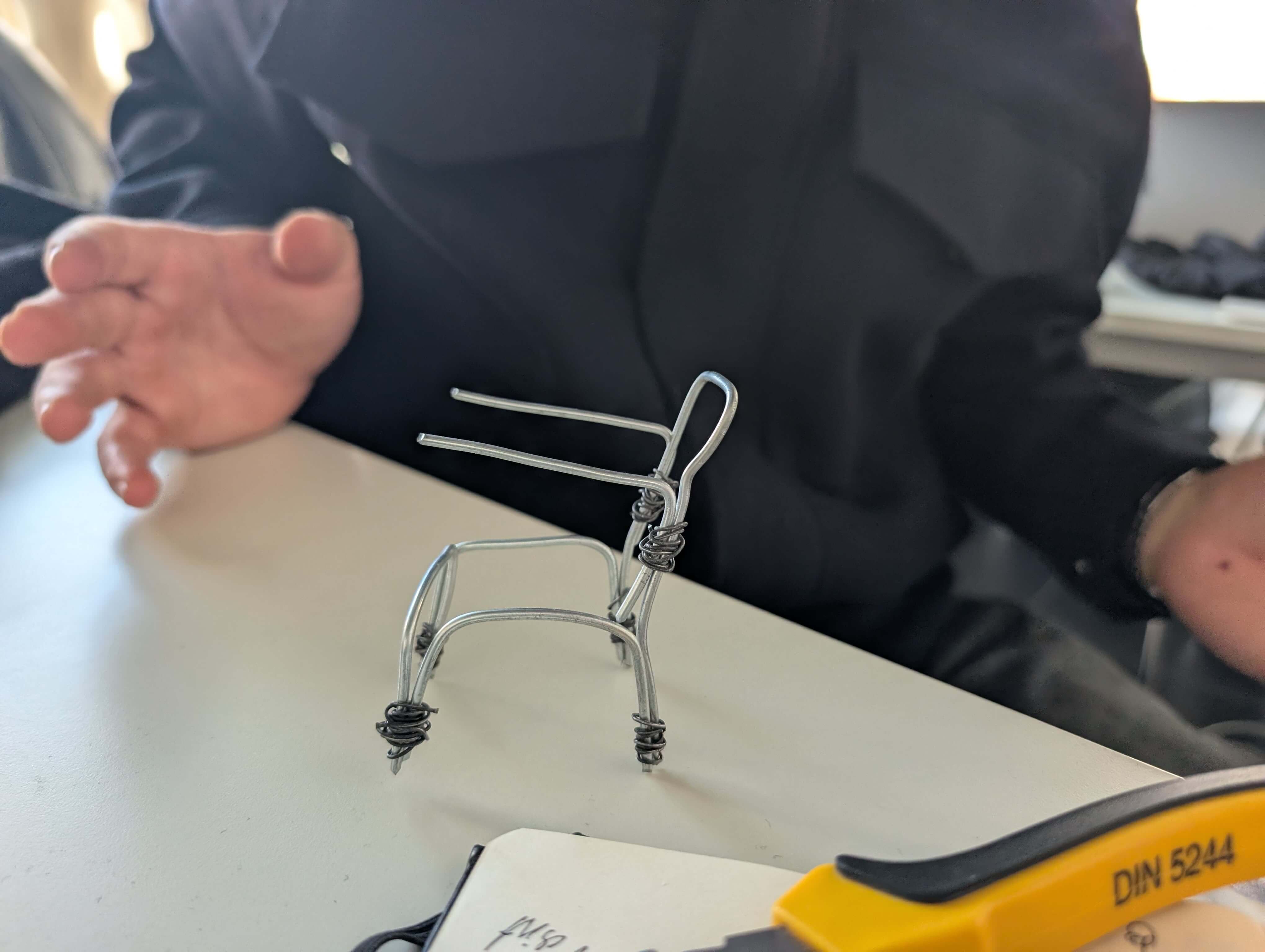
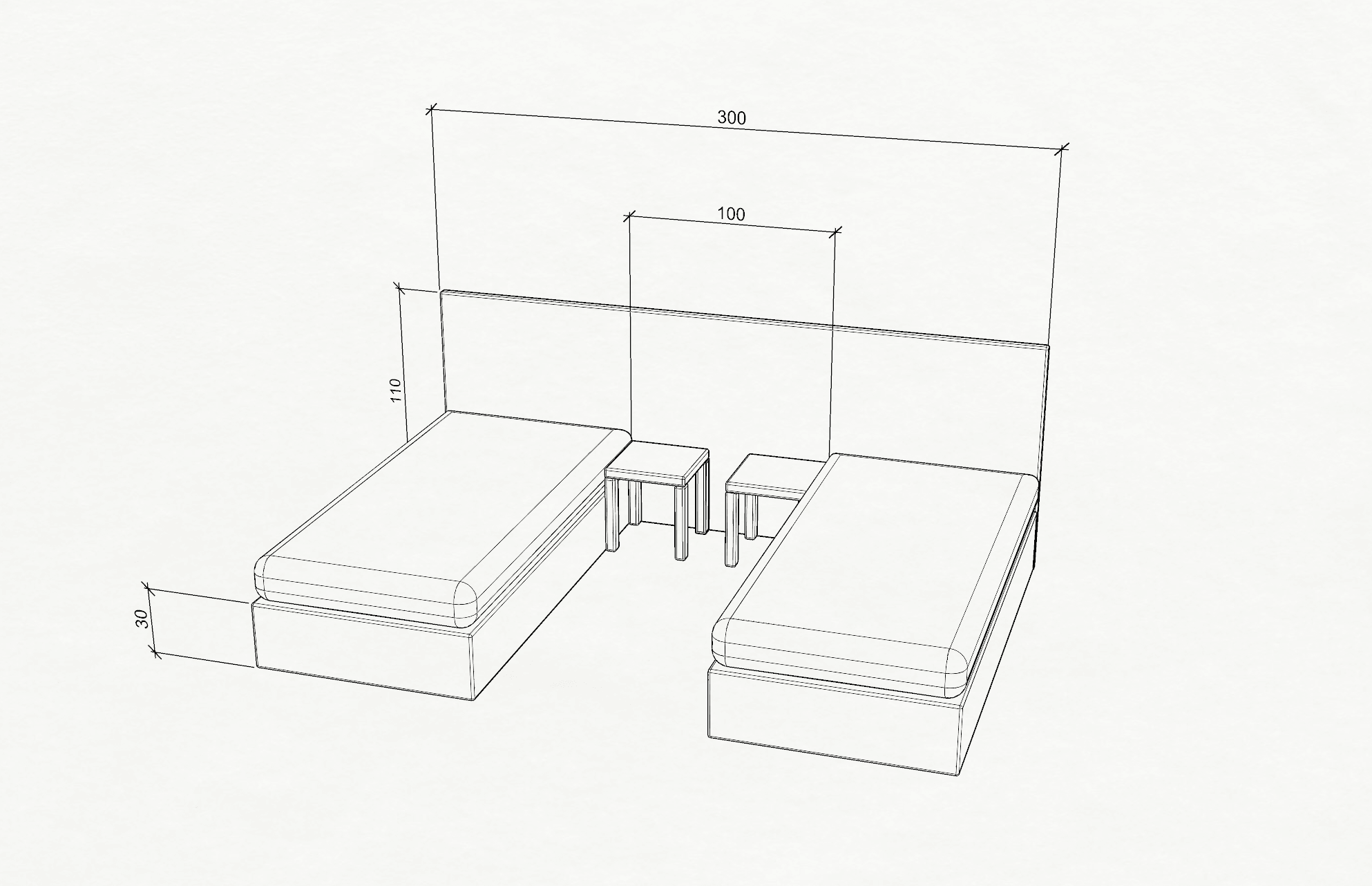
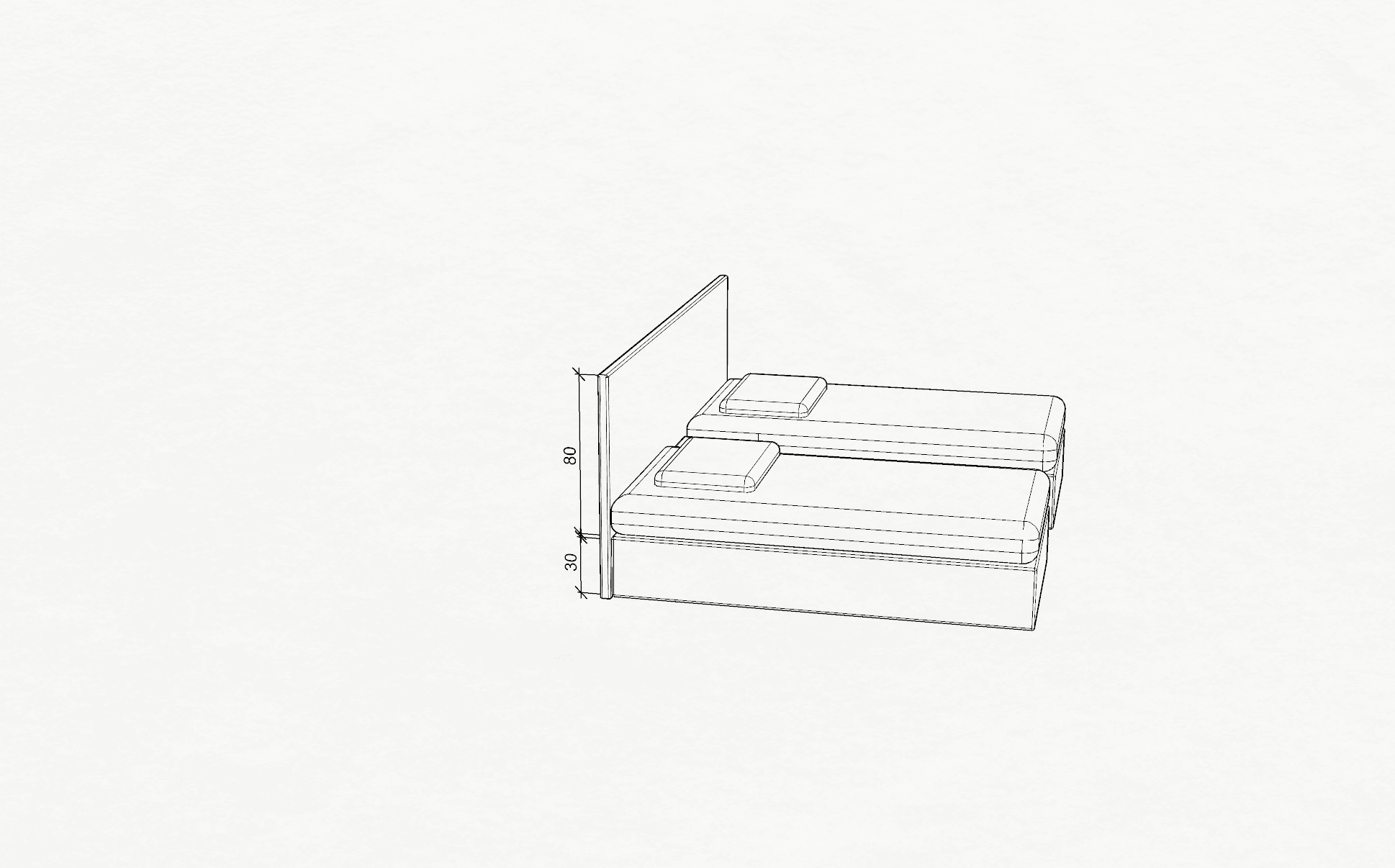
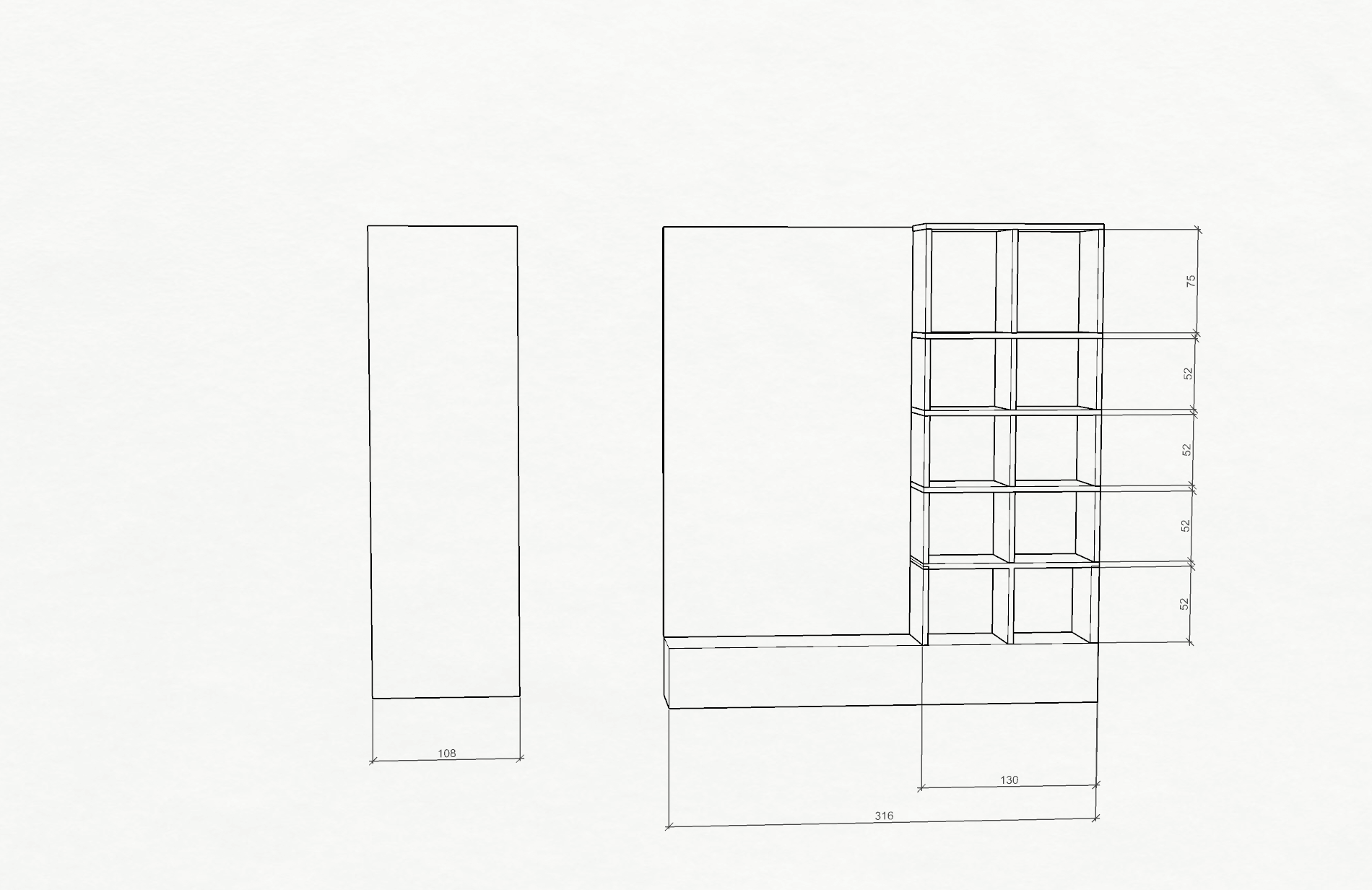
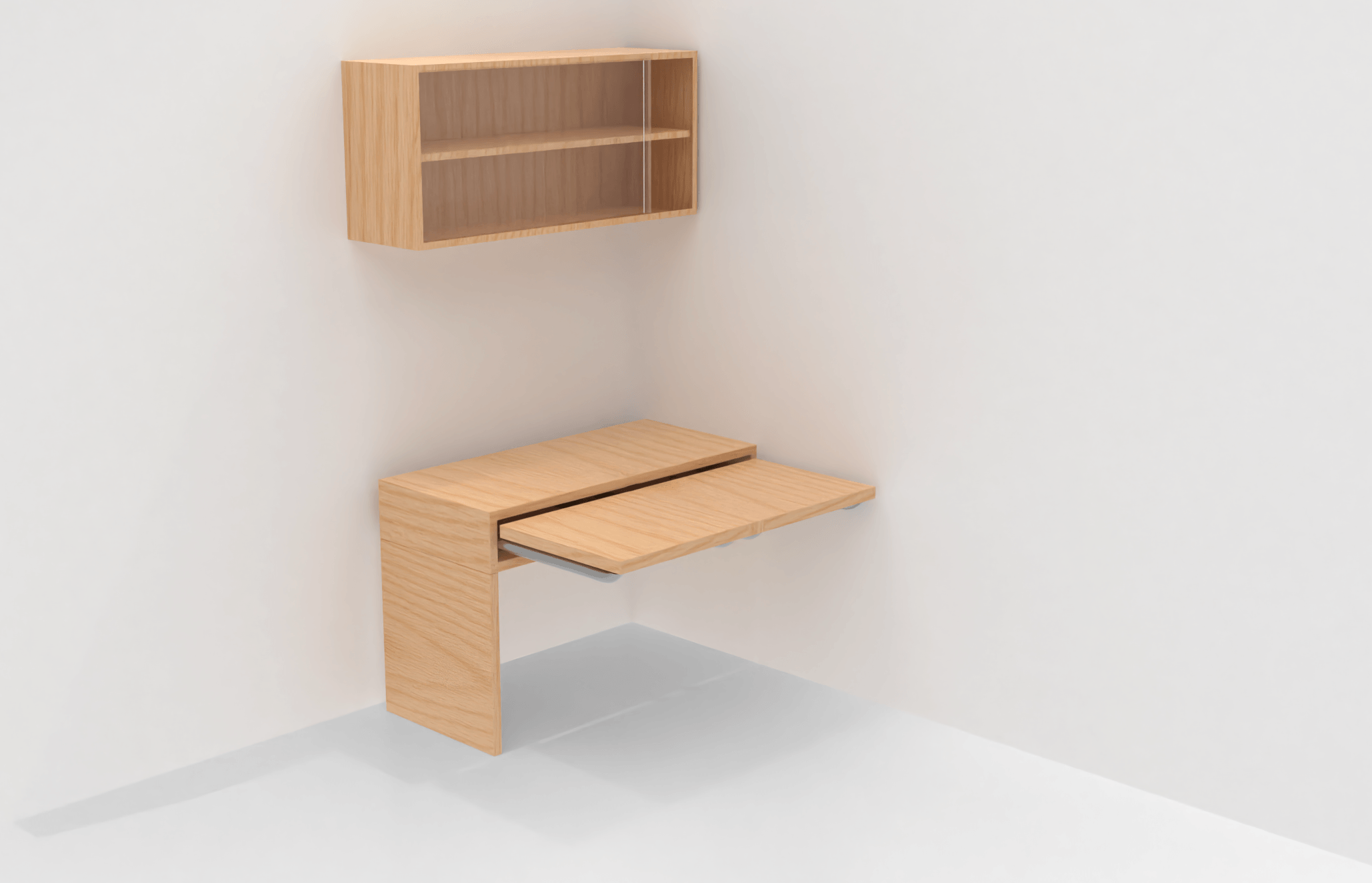
On the production side: assisting in the development of tailored furniture pieces — including a TV stand and shelf, a dining table, and a working table with drawers — from concept through to fabrication detail.


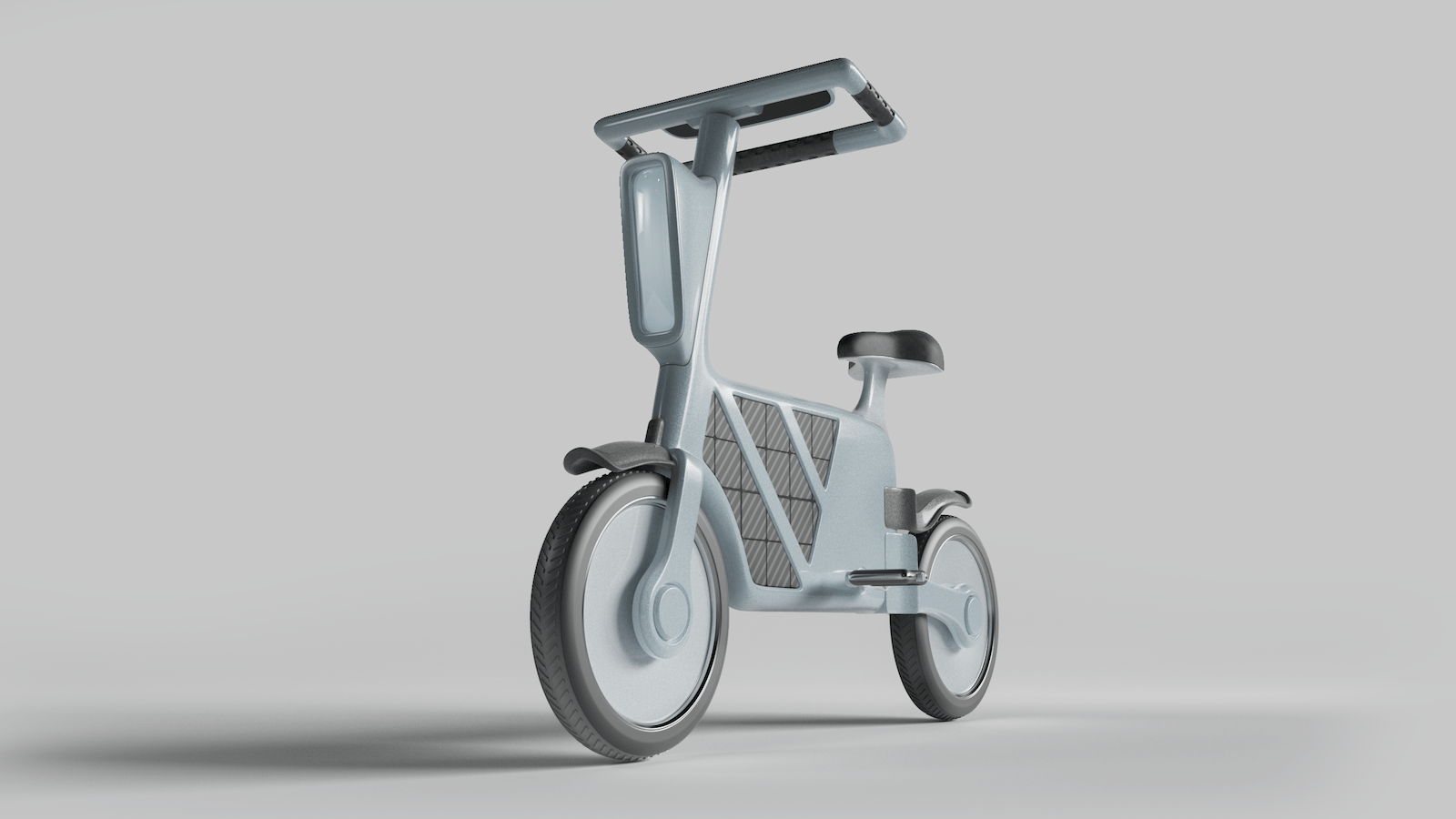
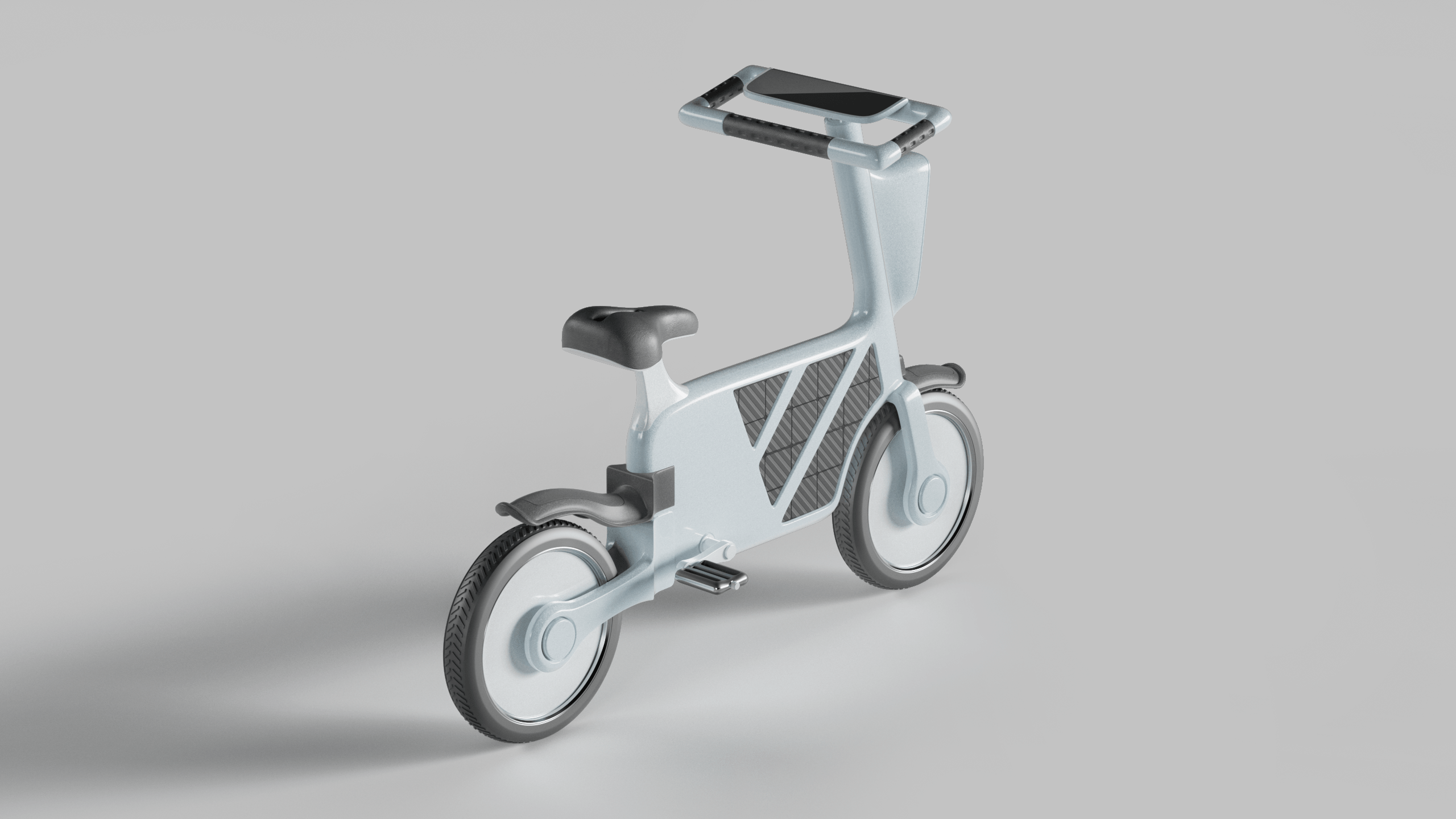
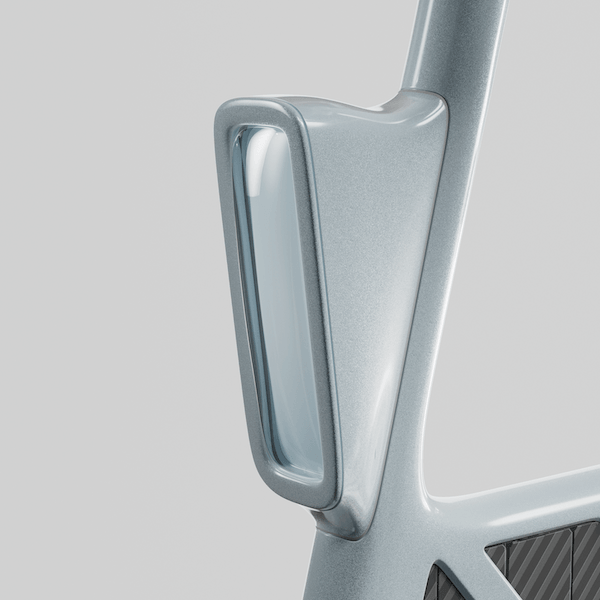
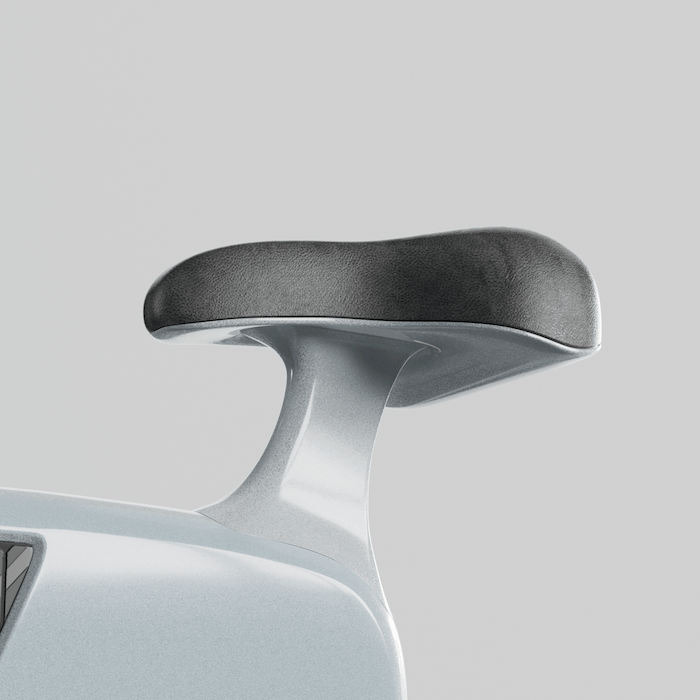
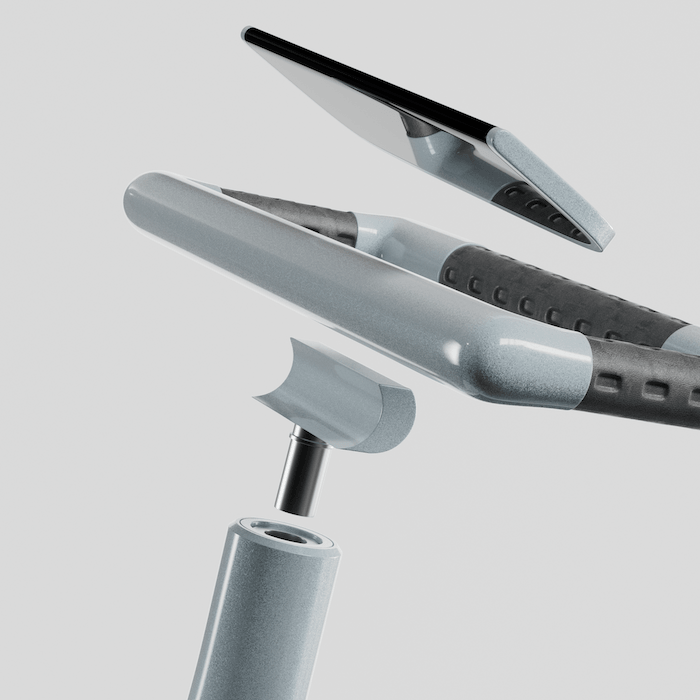
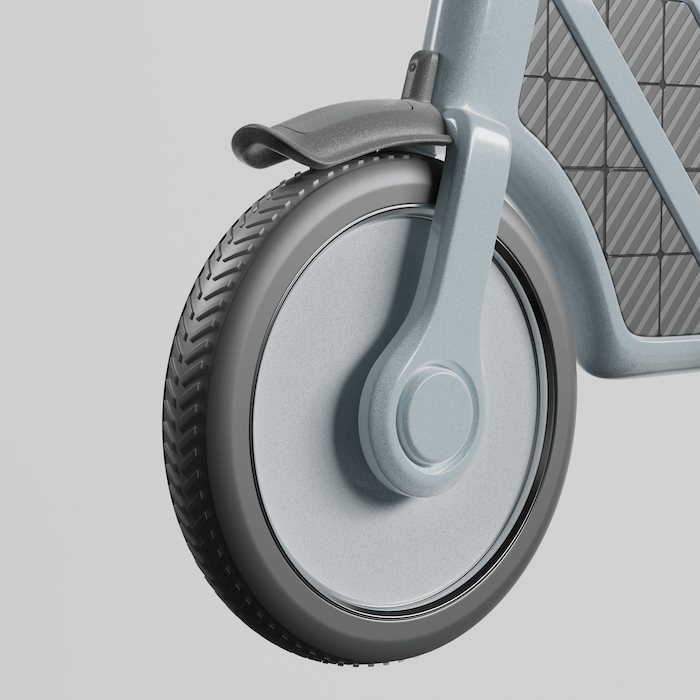
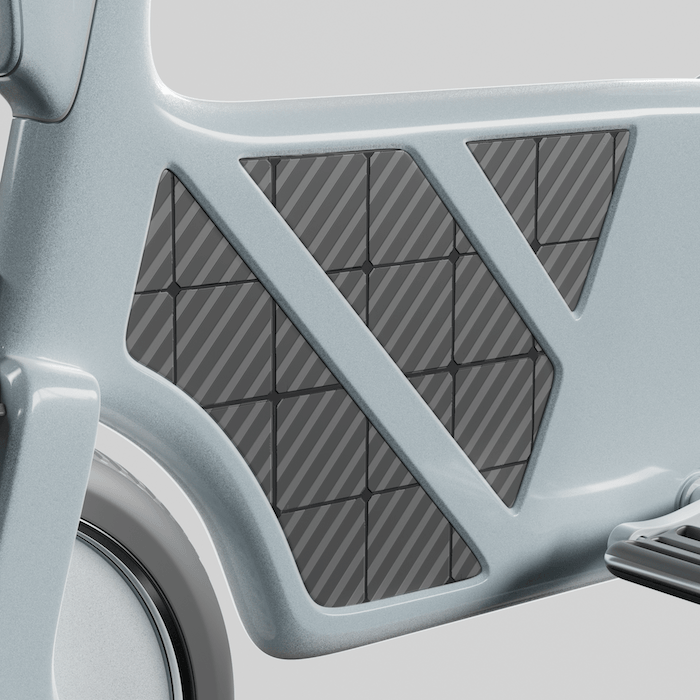
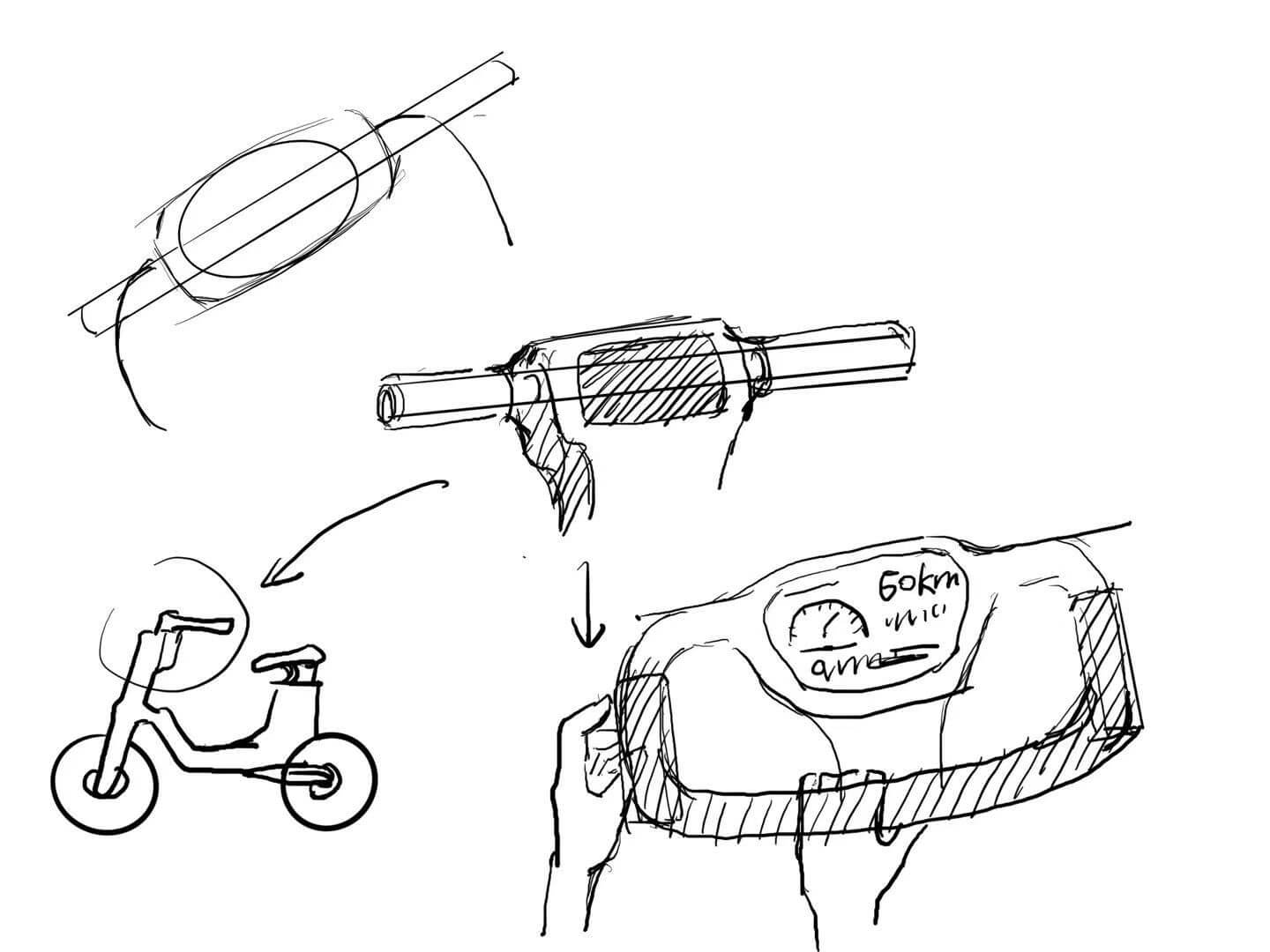
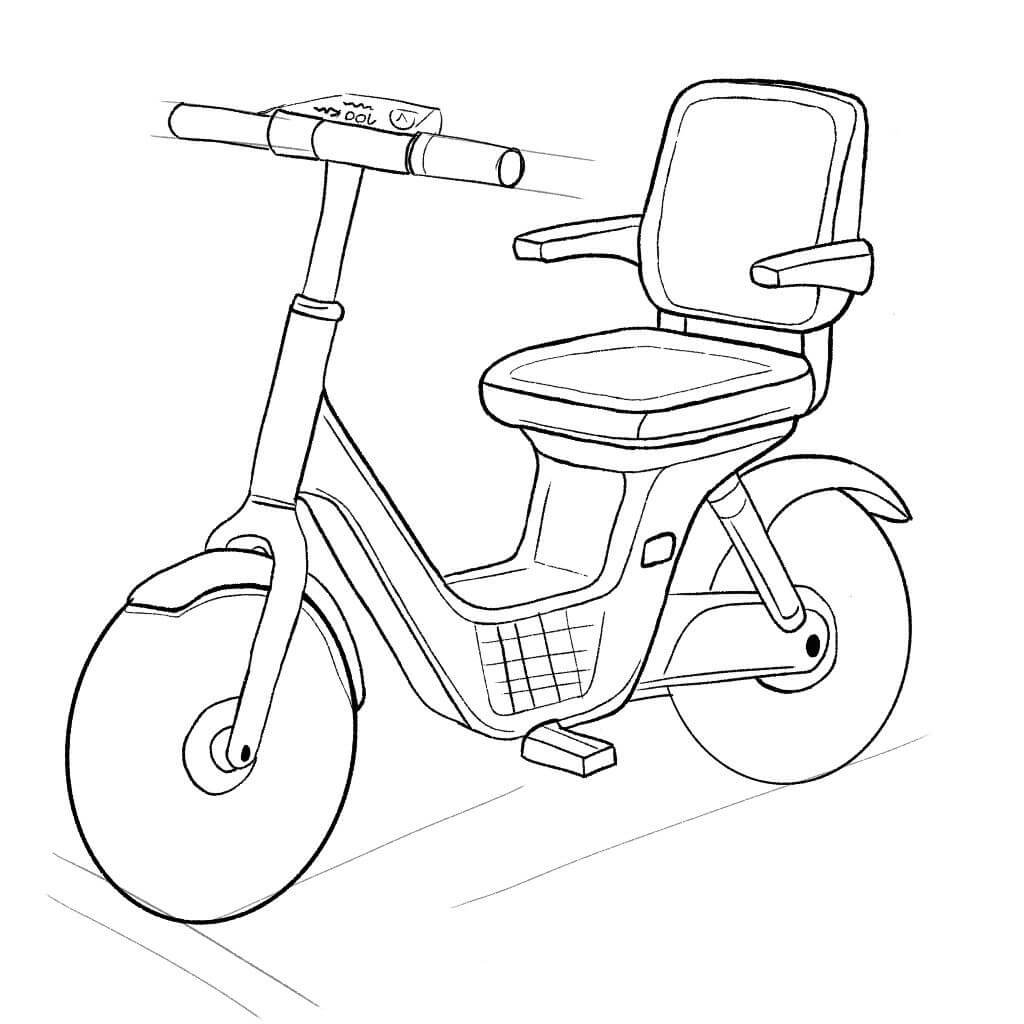
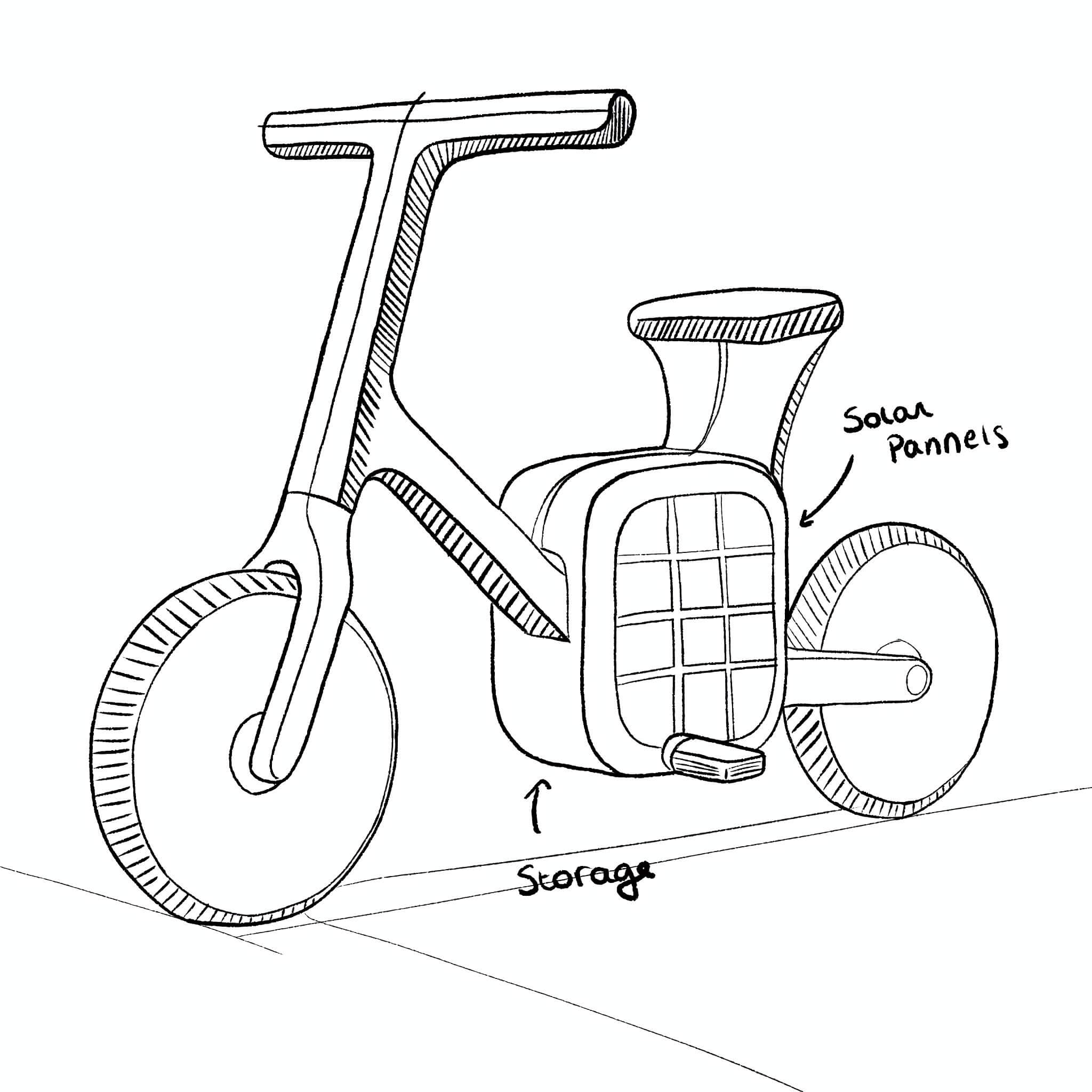
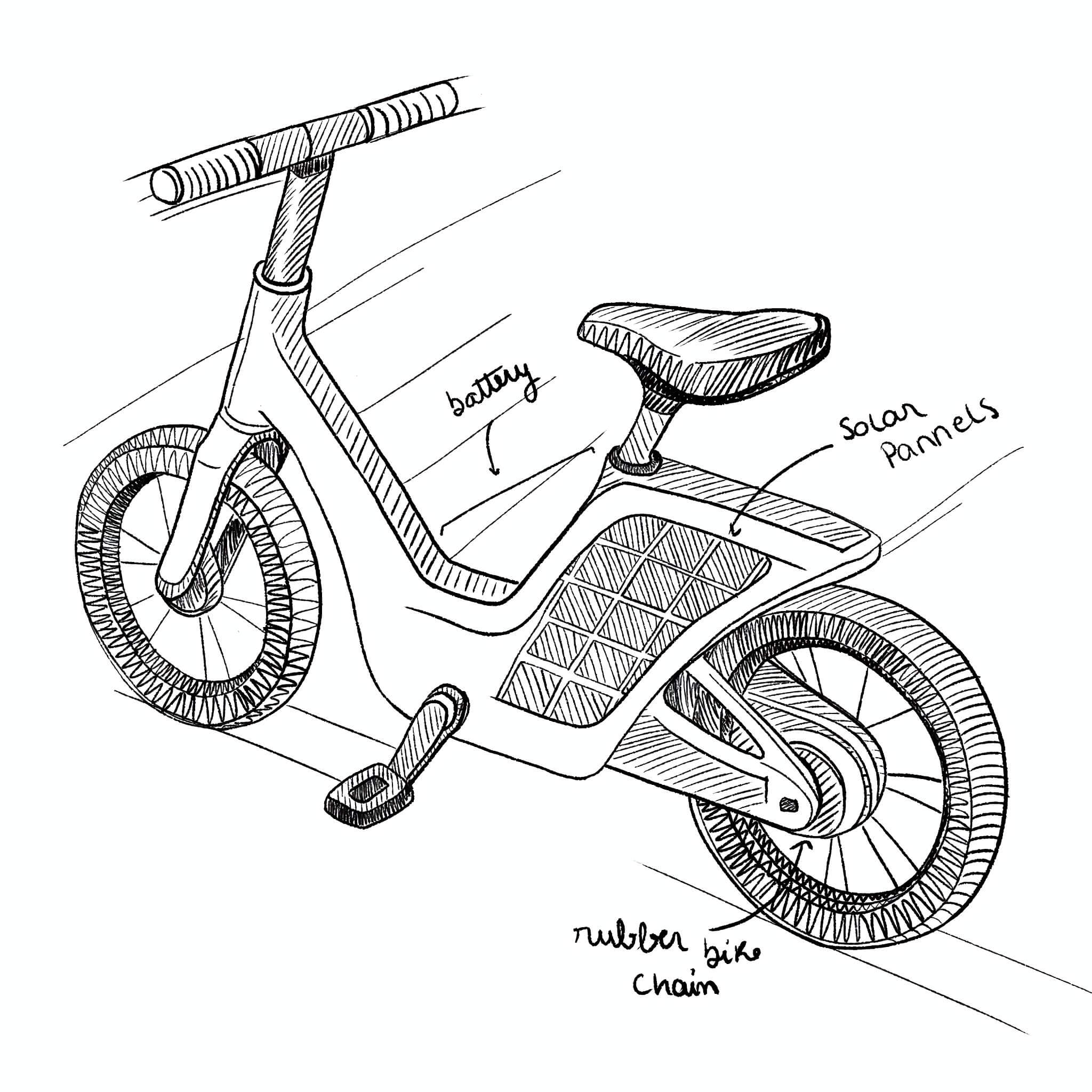
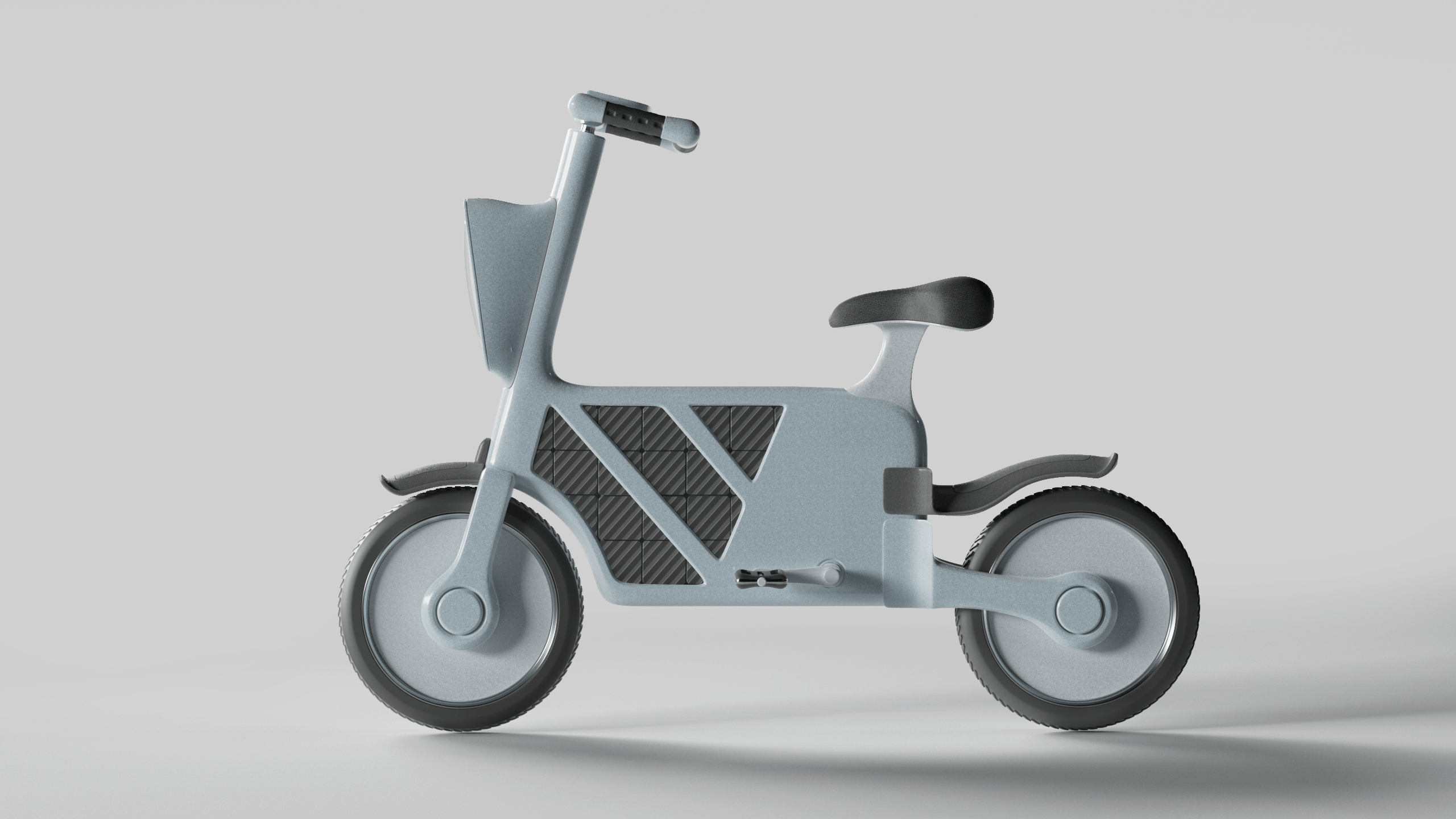
Elaris is a co-designed project by Luhan Yang and Filipa Santos Antunes, developed within the MA at NABA, Milan.
The proposal speculates on what urban mobility could look like in 2050 given trajectories in solar panel efficiency. A 1.0 m² surface operating at 30–35% efficiency would meet an e-bike's daily energy demand of approximately 400 Wh, making genuinely self-charging vehicles technically feasible at the timescale considered.
The work moves through market trend research, technical feasibility analysis, and iterative sketch-based concept development — toward a vehicle that addresses both ecological and accessibility concerns.


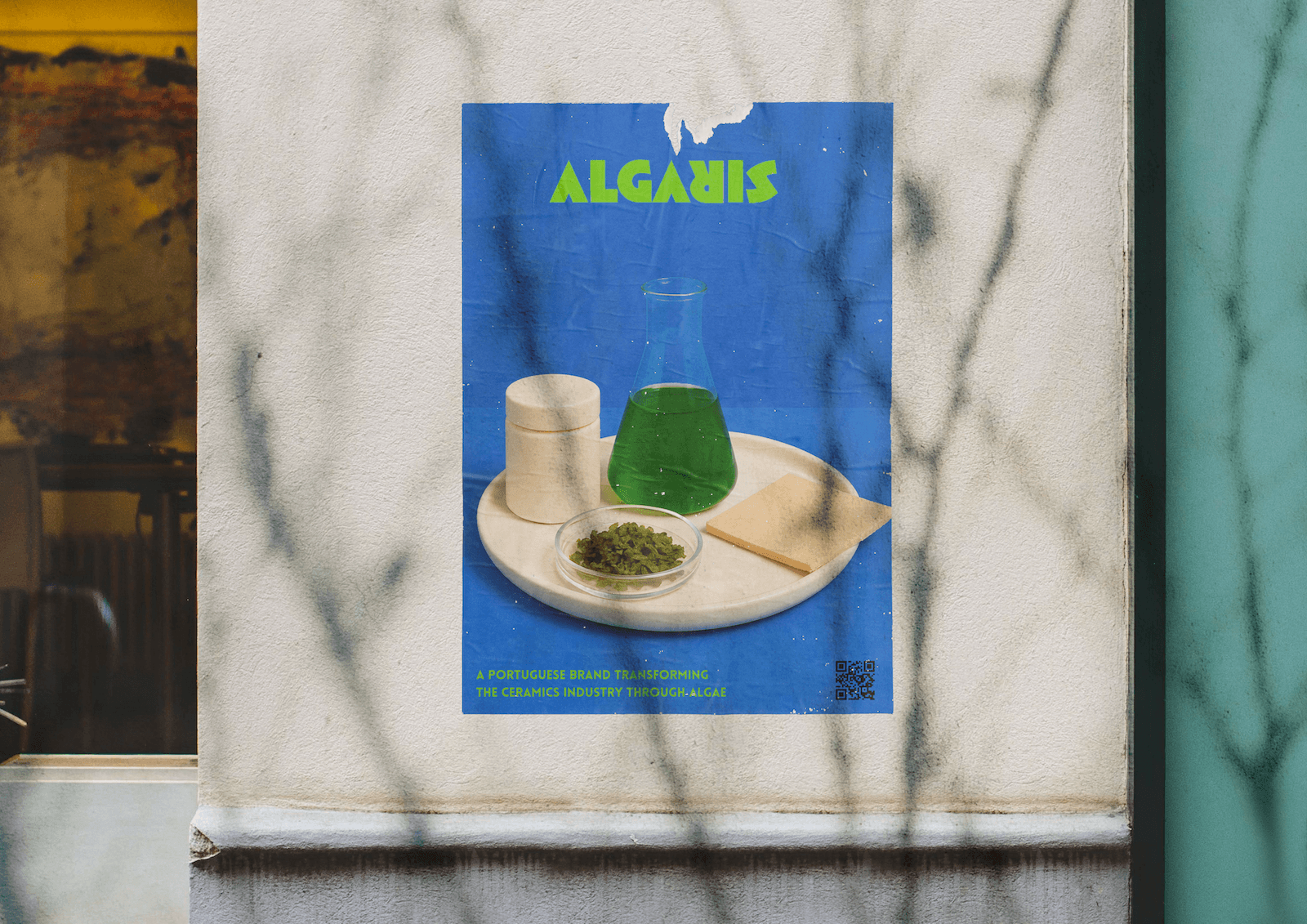
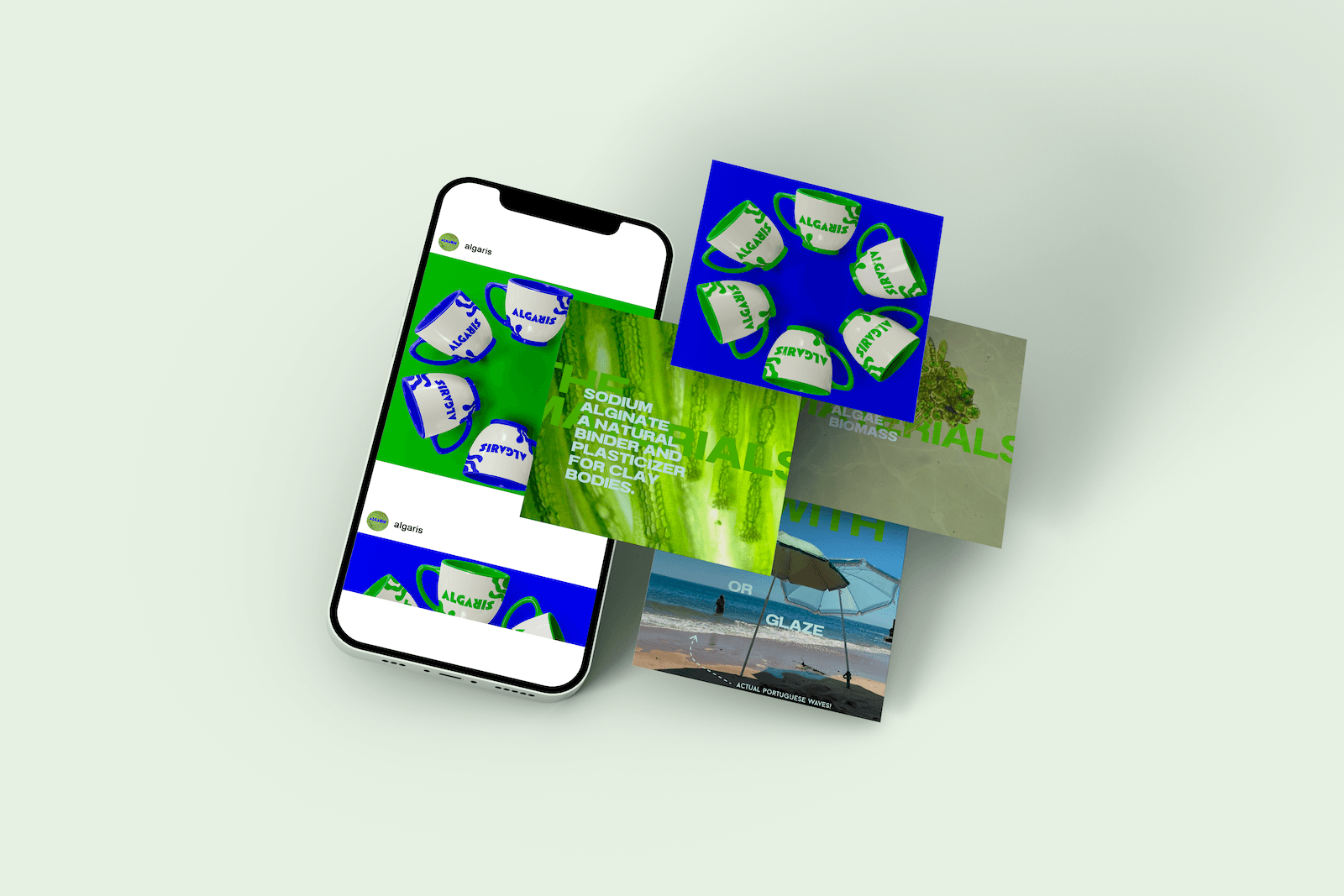
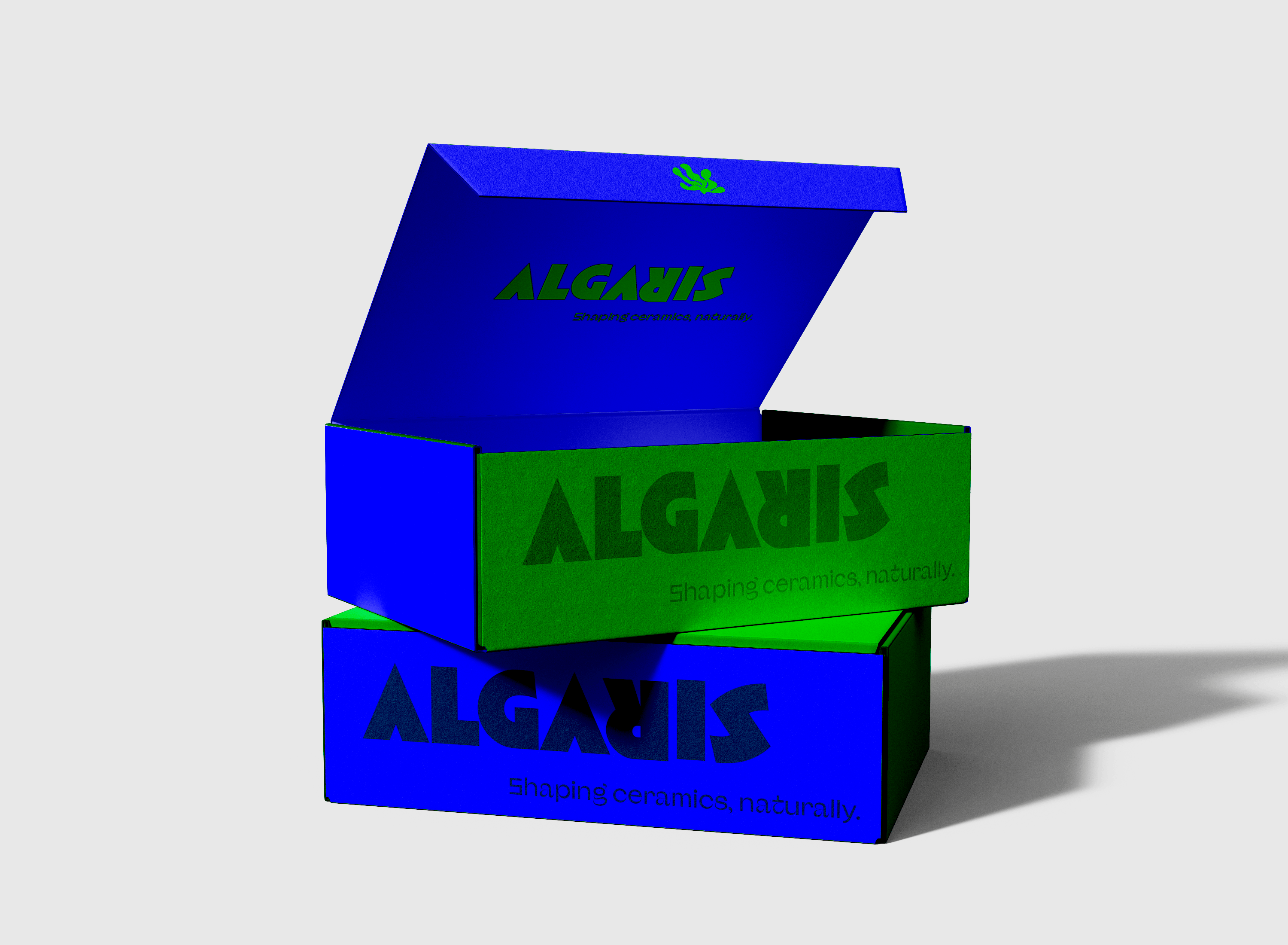
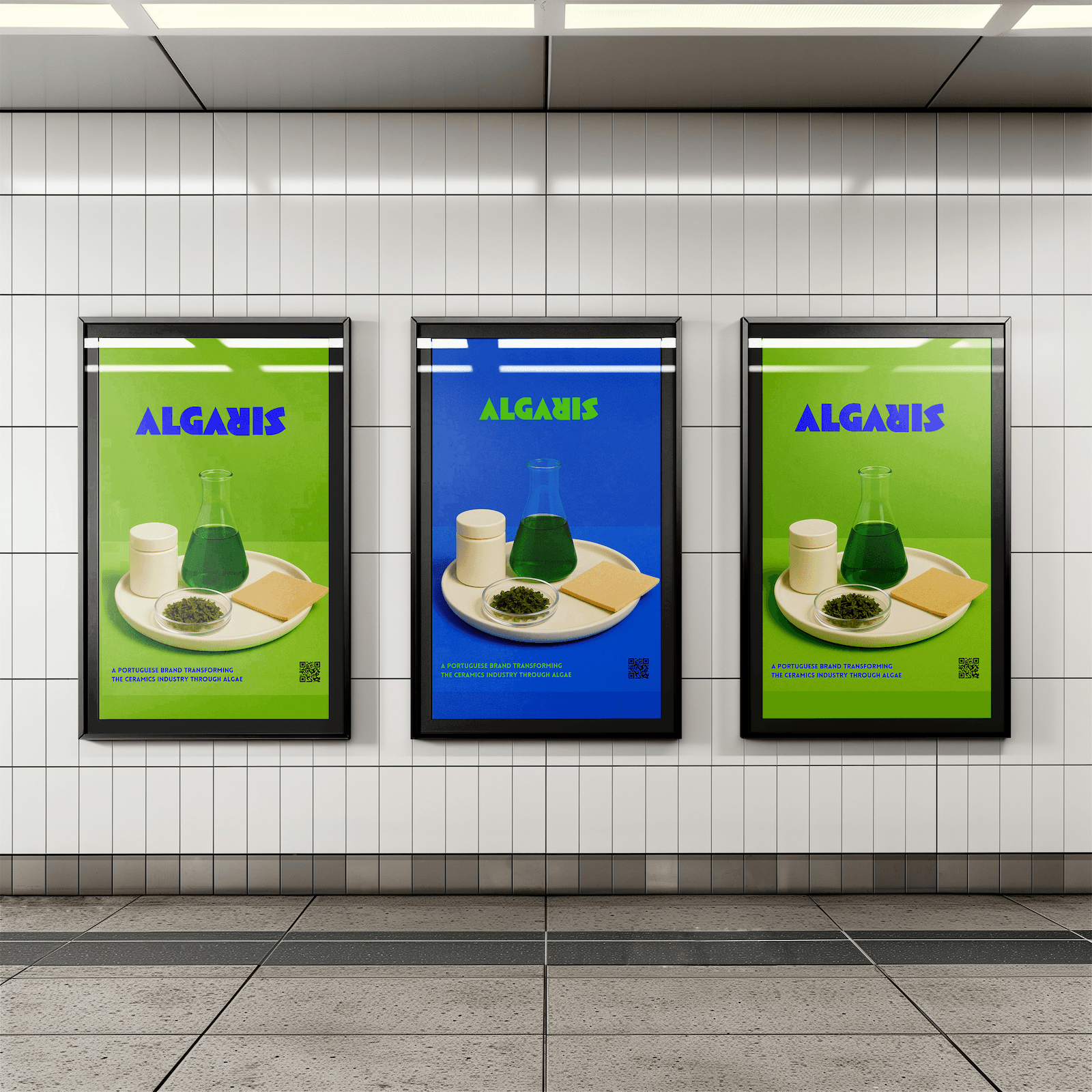
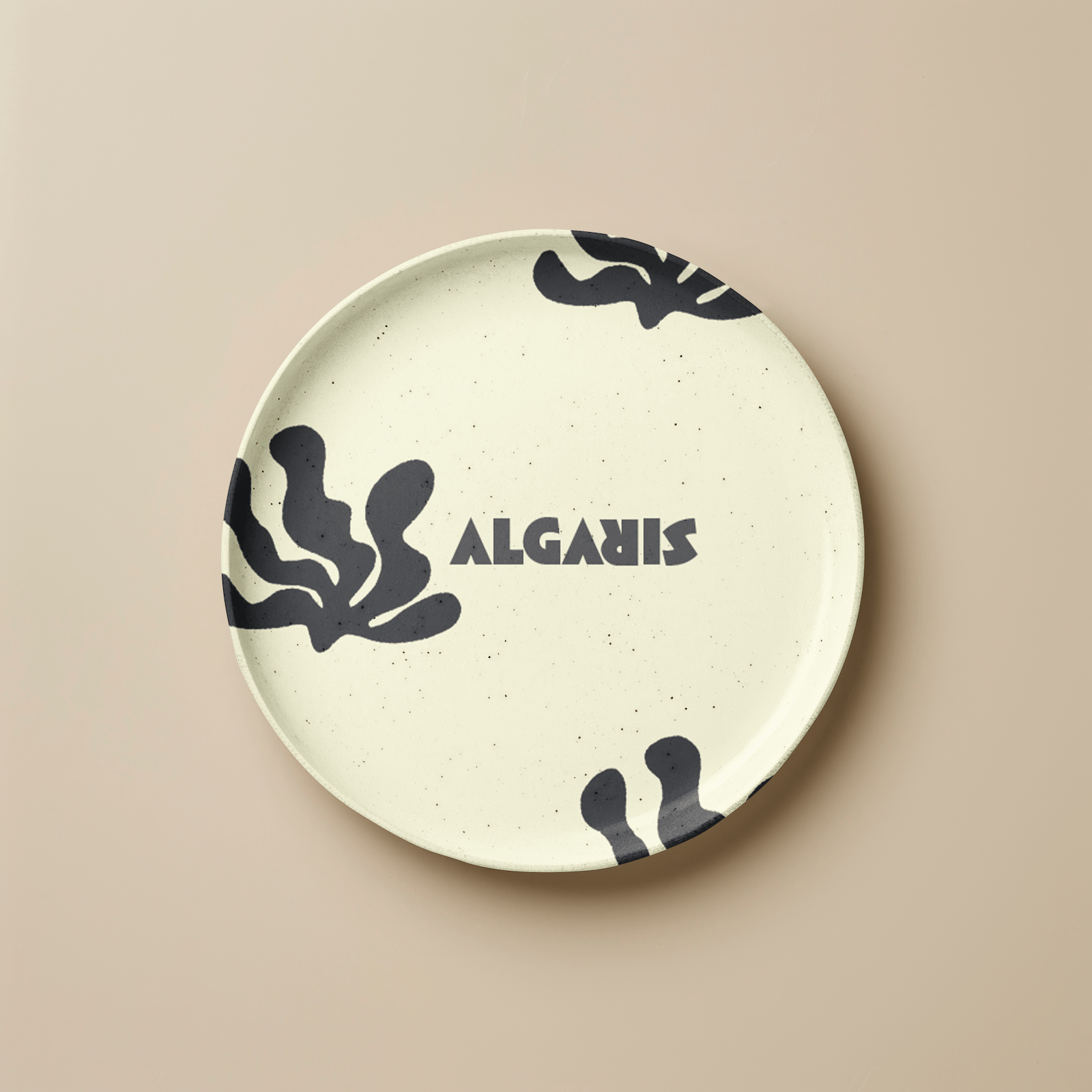
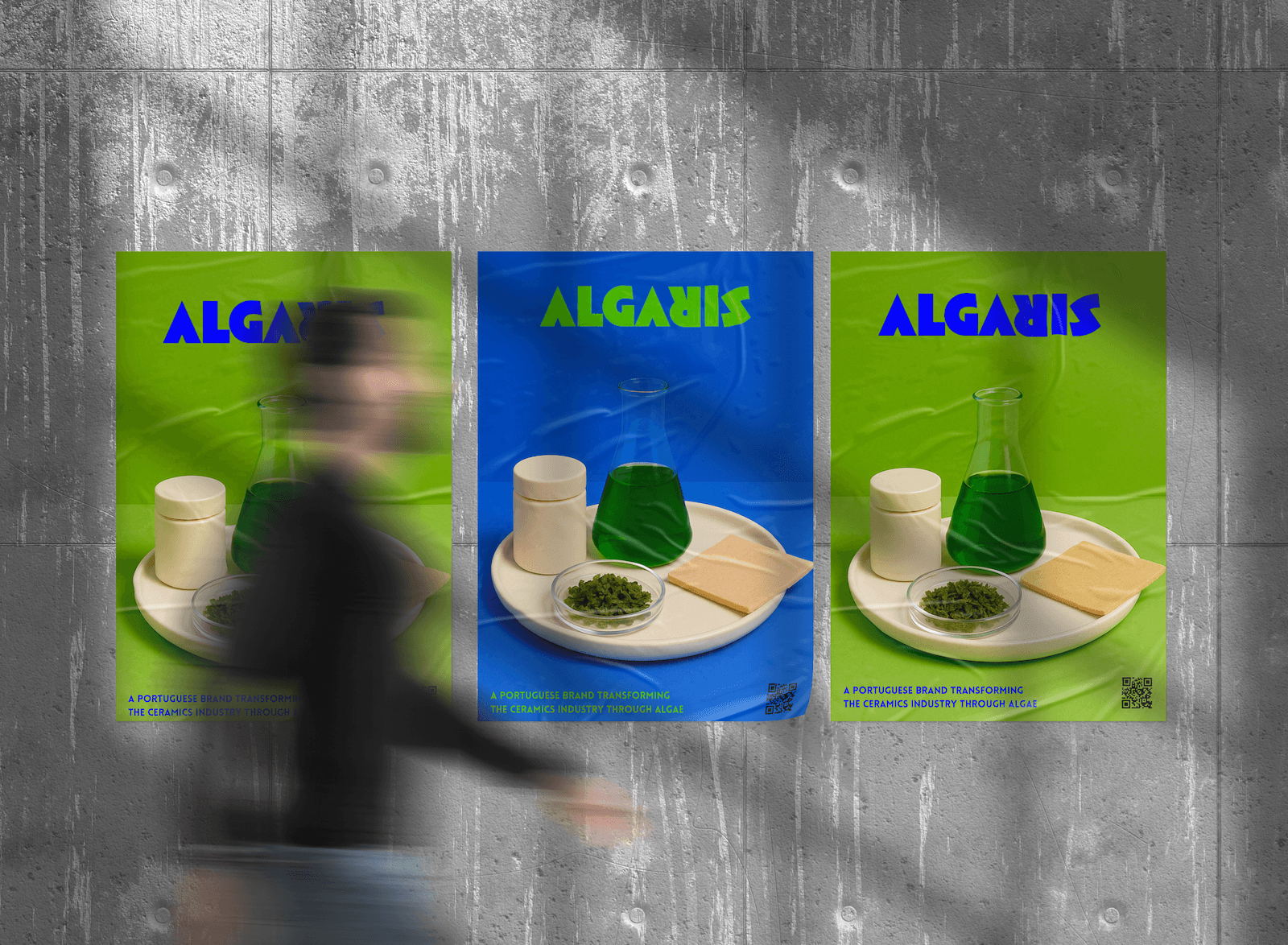
Algaris is positioned around rethinking how ceramics get made — transforming the industry through low-impact, naturally-derived solutions that improve material performance while reducing ecological harm.
Developed within the MA at NABA, Milan.